
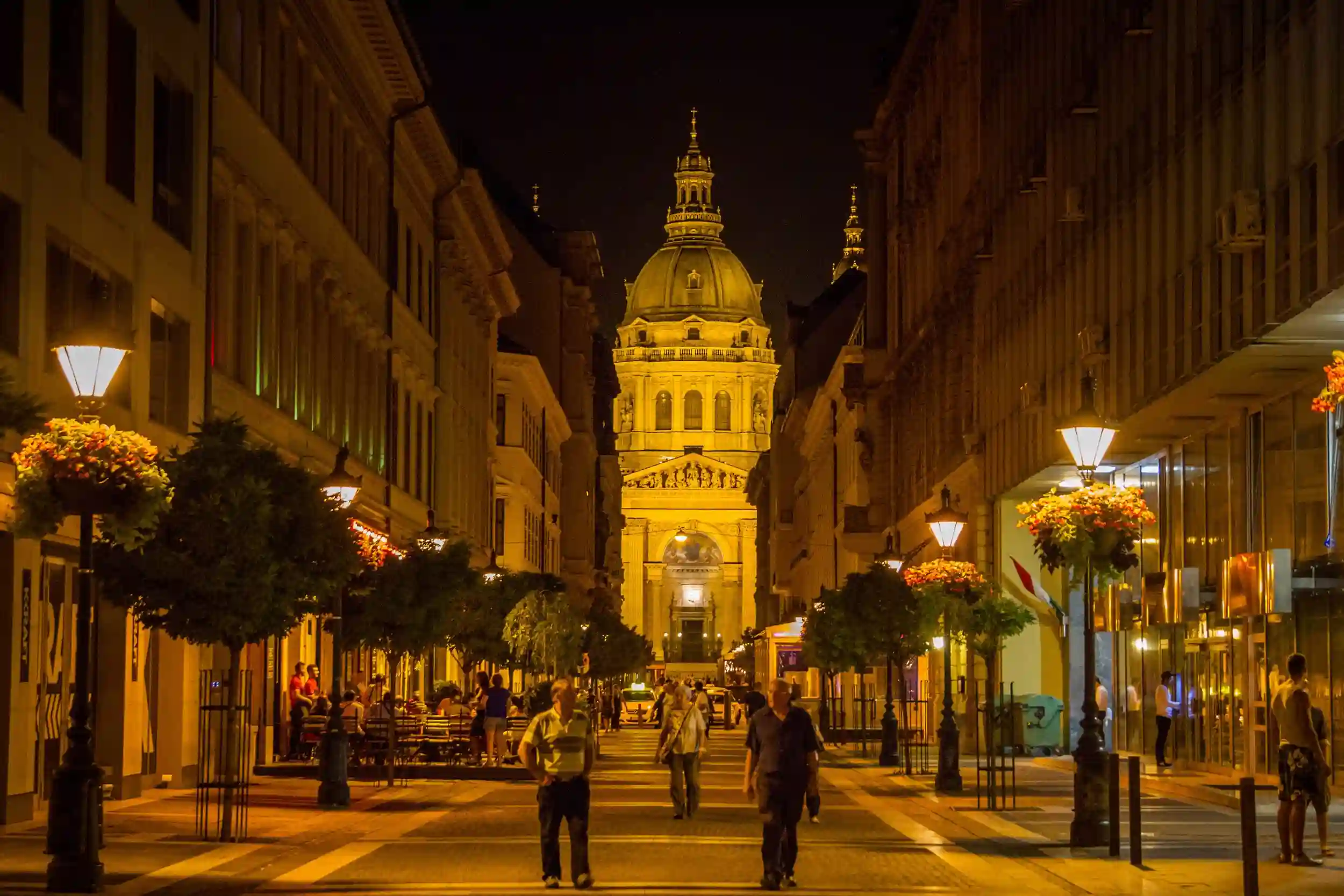
Party Cities in Europe: Where to Go, What to Expect, and How to Plan It
Europe’s best party cities range from established giants like Berlin and Ibiza to rising destinations like Tbilisi and Riga. This guide breaks down what each city actually offers in 2026, from Berlin’s serious techno culture and Budapest’s ruin bars to Amsterdam’s canal-side bar scene and Serbia’s floating river clubs, plus practical tips for planning the trip.
Europe’s best party cities don’t follow a single template. Some are famous globally and have been for decades. Others are genuinely under-the-radar, delivering exceptional nightlife at a fraction of the cost of their better-known counterparts.
This guide cuts through the obvious rankings to give you a realistic picture of what each major party destination in Europe actually offers in 2026, who it suits, and how to approach the trip intelligently.
In This Article
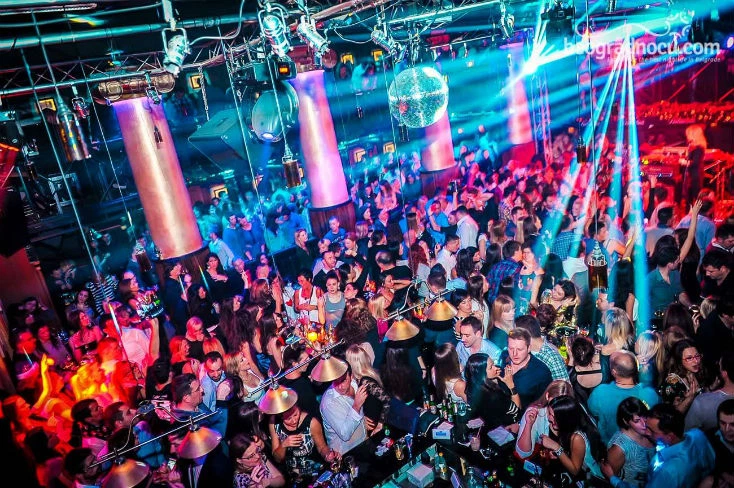
The Cities That Define European Party Culture
Berlin — The Serious Nightlife Capital
No ranking of party cities in Europe is credible without Berlin at or near the top. The city’s club culture is the most developed, the most influential, and the most copied in the world.
Clubs like Berghain, Tresor, and Watergate have shaped how electronic music culture understands itself globally. Berlin clubs operate without formal closing times, music quality is consistently exceptional, and the culture around the events, the dress code skepticism, the phones-off policies, the lack of VIP spectacle, creates an environment oriented entirely toward the music.
Berlin is not cheap in the way Eastern European cities are, but it remains significantly more affordable than London or Paris for a nightlife trip. Accommodation in neighborhoods like Friedrichshain and Kreuzberg, near the main club venues, runs at sensible prices compared to central zones, and public transit runs through the night on weekends.
Budapest — The Best Value Party City in Europe
Budapest has transformed its reputation over the past decade from a secondary Central European city into one of the continent’s most compelling nightlife destinations. The ruin bar concept, bars established in abandoned buildings in the city’s Jewish Quarter, started here and has been imitated globally without being bettered.
Szimpla Kert is the original and still the most interesting, operating across multiple interconnected spaces with an atmosphere that’s simultaneously chaotic and cozy.
Beyond the ruin bars, Budapest has a growing club scene with serious electronic music programming. The cost advantage is the deciding factor for many travelers: drinks, food, accommodation, and taxis all run significantly cheaper than in Western Europe, making it possible to have a four or five-night trip for the cost of two nights in London or Amsterdam.
Good financial planning starts before you leave. A fee-free travel card handles Budapest’s cash-and-card mixed economy better than taking cash from ATMs at tourist rates.
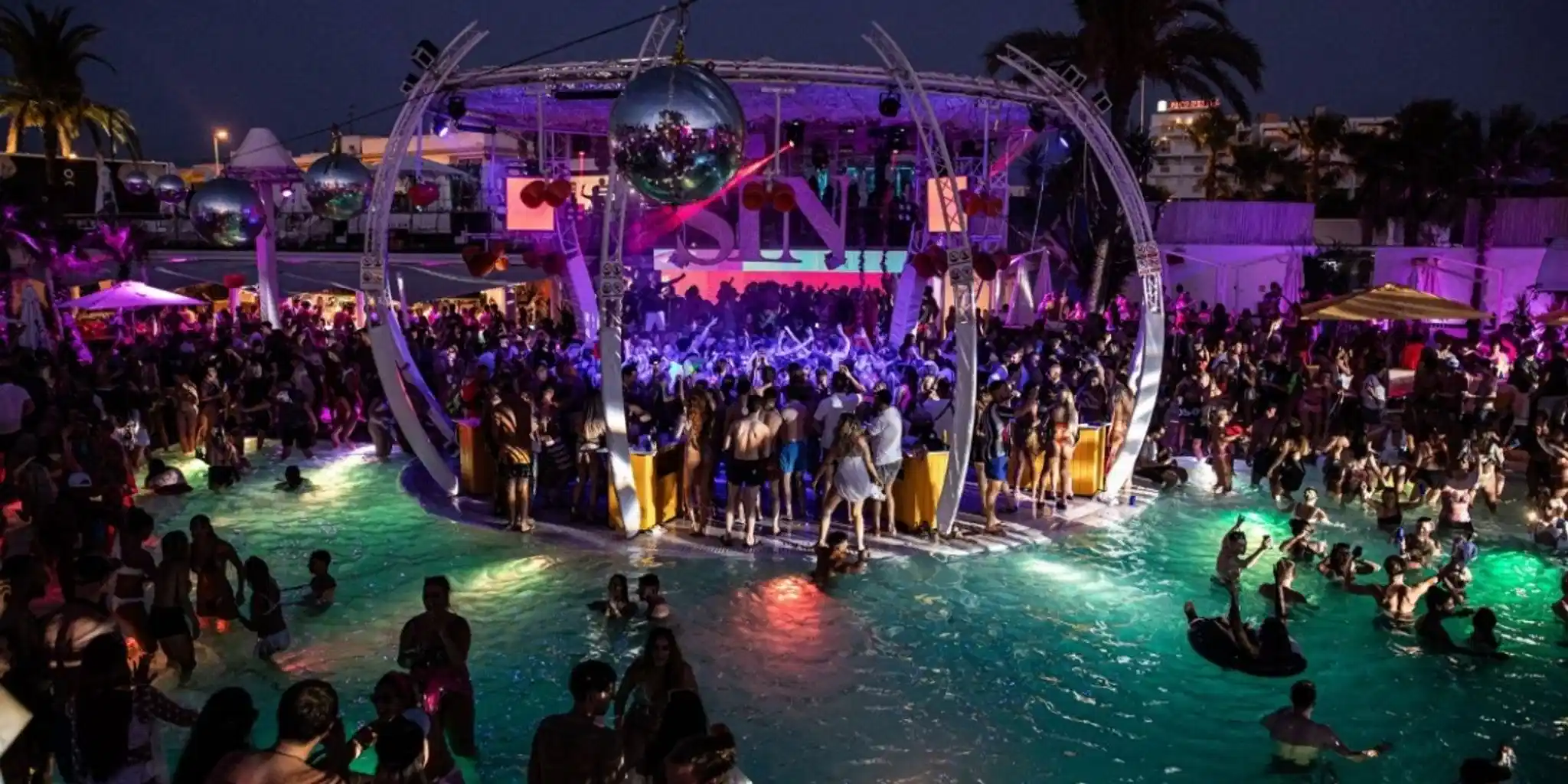
Ibiza — Europe’s Best-Known Party Island
Ibiza remains the reference point for European beach and club nightlife. The island’s summer season runs from May to October, with the main clubs, Pacha, Amnesia, Hi Ibiza, Ushuaïa, hosting weekly residencies by the biggest names in electronic music.
The scale of production, the consistency of the bookings, and the concentration of nightlife infrastructure make Ibiza the easiest party destination in Europe to navigate: everything is signposted, organized, and optimized for a tourist nightlife economy.
The trade-off is cost and crowding. July and August are both expensive and intensely busy. June and September offer the same events at lower prices and with more breathing room. Visiting off-peak is the simple optimization most first-timers miss.
Amsterdam — Sophistication Over Stamina
Amsterdam’s nightlife sits at a different frequency than Berlin or Ibiza. The city has serious clubs, Shelter, BRET, Noord, and a genuine local club culture, but the overall vibe is more varied and less marathon-oriented.
Paradiso, the converted church venue in the Leidseplein area, is one of the best mid-size concert and club venues in Europe and books across multiple genres. The city’s bar culture around the canal districts rewards an unhurried approach to an evening.
Amsterdam also makes an excellent multi-interest city break rather than a pure nightlife destination. The daytime cultural offer, world-class museums, cycling infrastructure, excellent food, means the city holds up as a destination even if the club night turns out quieter than expected.
Eastern Europe’s Emerging Party Destinations
Tbilisi, Georgia — The New Frontier
Tbilisi is not technically in the European Union but sits at the eastern edge of the European cultural orbit and has become one of the most talked-about nightlife cities on the continent.
The Fabrika complex, a former Soviet sewing factory converted into a multi-space creative hub with bars, clubs, and food vendors, captures the city’s approach: rough-edged spaces with high-quality programming. The main techno clubs, Bassiani and Khidi, have developed global reputations among serious electronic music travelers.
Georgia’s cost of living makes Tbilisi exceptionally affordable by European standards, and the combination of exceptional nightlife, excellent food, and dramatic mountain scenery nearby has attracted a growing community of travelers who have moved beyond the standard European circuit.
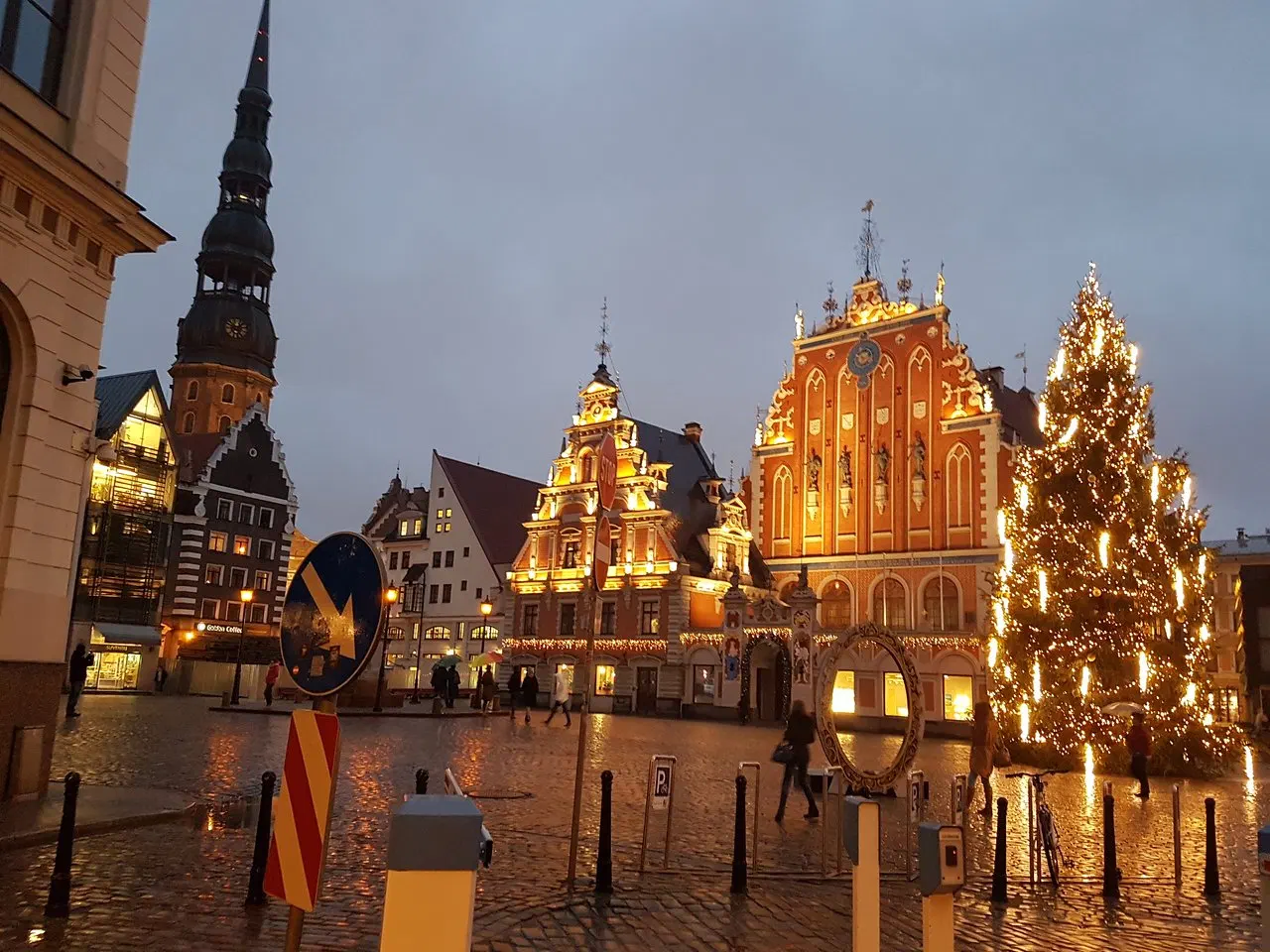
Riga, Latvia — Compact and Underrated
Riga has been a budget party destination since Latvia joined the EU, and while it’s no longer as unknown as it was in the mid-2000s, it still delivers solid nightlife at Baltic prices.
The old town has a busy bar and club scene on weekend evenings. For more serious club culture, the city has a handful of venues oriented toward techno and house. Prices for accommodation, drinks, and food sit below Budapest, making it the value leader among Baltic cities.
Novi Sad, Serbia — Festival City With Year-Round Character
Novi Sad is best known internationally as the home of EXIT Festival, one of Europe’s most impressive music events, held inside the 17th-century Petrovaradin Fortress each July.
Outside festival season, the city has a lively bar and club scene centered on the fortress area and the downtown zone. Belgrade, two hours south, adds one of Europe’s most serious party scenes to the regional offer: floating river clubs (splavovi) that run through the night are a format unique to Serbia and worth experiencing on their own terms.
What Separates a Good Party City from a Great One
The best party cities in Europe succeed when the nightlife infrastructure is genuine, built for and by people who care about the culture, rather than purely tourist-facing. Berlin’s scene is authentic to the point of actively filtering tourists who don’t engage on the right terms.
Budapest’s ruin bars started as an organic response to available space and have grown organically since. Tbilisi’s clubs emerged from a genuinely underground culture that existed before foreign attention arrived.
Tourist-facing nightlife districts, some parts of Prague’s old town, Kavos in Corfu, certain strips in Amsterdam’s Rembrandtplein, can deliver a functional party but rarely a memorable one. The interesting cities are the ones where locals and visitors share the same spaces because both groups find genuine value there.
Practical Tips for Planning a European Party Trip
Connectivity between party cities across Europe is excellent via budget airlines. Wizz Air, Ryanair, and easyJet all serve the major Eastern European destinations from Western European hubs, and prices on routes to Riga, Budapest, and Tbilisi are consistently lower than equivalent Western European flights.
Staying connected between destinations with a European eSIM avoids roaming charges and lets you navigate transit apps, club schedules, and maps without interruption. For connecting with other travelers at your destination, the Fresh Island roommate finder is useful for coordinating accommodation with people on similar trips.
Choosing the Right Party City for Your Trip
The decision comes down to budget, musical preference, and how you like to travel. Berlin for techno culture and serious clubbing. Budapest for value and the ruin bar experience. Ibiza for the full commercial electronic festival ecosystem. Amsterdam for sophistication and variety. Tbilisi for the adventurous traveler who wants something genuinely new.
Party cities in Europe in 2026 offer more range, better value in emerging destinations, and higher quality in established ones than at almost any previous point. The hardest part is choosing.

Julia King has spent the better part of a decade chasing music festivals, weekend getaways, and the kind of travel chaos that makes for a good story afterward — and turned that into a practical, no-nonsense approach to writing about it. She covers everything from Europe’s nightlife scene and underrated party destinations to the gear that makes festival weekends survivable, from power banks that don’t die by day two to earplugs that actually protect your hearing without killing the music; her focus is less on dream-destination lists and more on what will actually happen and how to plan around it. When she’s not researching a new city’s nightlife or testing travel gear, Julia is usually planning her next trip with a festival lineup as the excuse and a backup plan just in case.
Sources
- Fresh Island. “Best Travel Debit Cards for Europe.” Fresh Island, 2026.
- Fresh Island. “Best eSIM Options for Europe.” Fresh Island, 2026.
- Fresh Island. “Fresh Island Roommate Finder.” Fresh Island, 2026.