

Carry-On vs Personal Item: What Really Fits Under the Seat
A carry-on goes in the overhead bin and typically maxes out around 22 x 14 x 9 inches. A personal item is smaller, has to fit fully under the seat in front of you, and usually tops out near 18 x 14 x 8 inches. The two bags serve different jobs: one carries your trip, the other carries what you need mid-flight. In 2026, airlines are measuring both far more strictly than they used to.
Here’s the scene: you’re at the gate, bag in hand, watching the person in front of you get stopped by a metal sizing cage. Their bag looked fine an hour ago. Now they’re paying $75 to check it, and the flight is boarding.
That’s the reality of flying in 2026. The rules around carry-on vs personal item haven’t changed much on paper. What’s changed is how closely airlines are checking. So before you pack, it helps to actually understand the difference between a carry-on and a personal item, not just guess and hope your bag passes.
In This Article
- What Is a Carry-On Bag?
- What Is a Personal Item on a Plane?
- Carry-On vs Personal Item: What’s Actually Different?
- How Big Is a Personal Item, Really?
- Does TSA Control the Size of Your Carry-On?
- Why Airlines Are Cracking Down in 2026
- Backpacks, Purses, and Other Gray Areas
- Carry-On, Personal Item, or Both: Which Should You Choose?
- Packing Smart for Your Next Flight
What Is a Carry-On Bag?
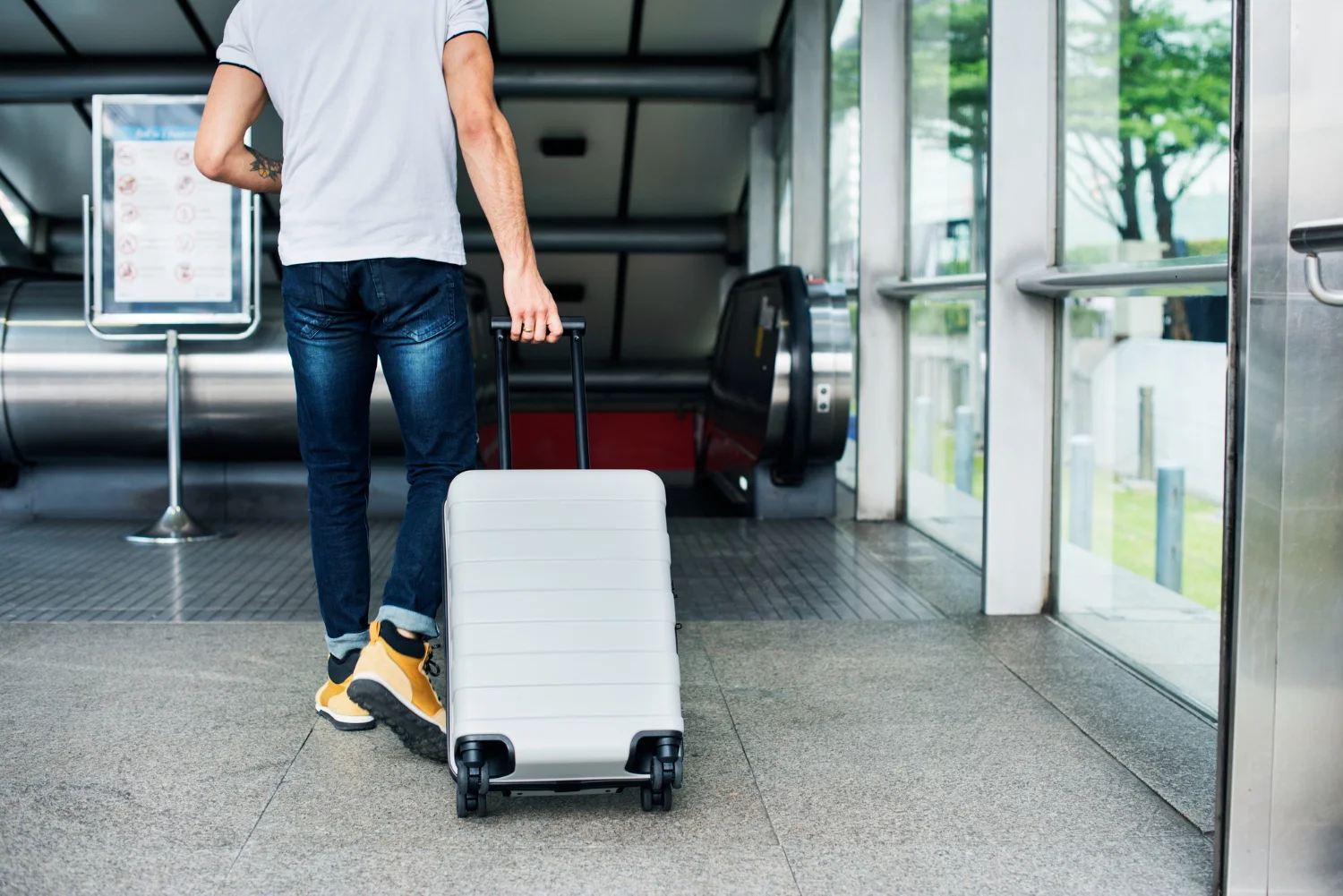
A carry-on bag is the larger of your two cabin bags, and it goes in the overhead bin above your seat. Most US and European airlines cap it around 22 x 14 x 9 inches, or roughly 55 x 35 x 23 cm, measured including wheels and handles. Some carriers weigh it too, usually somewhere between 15 and 22 pounds.
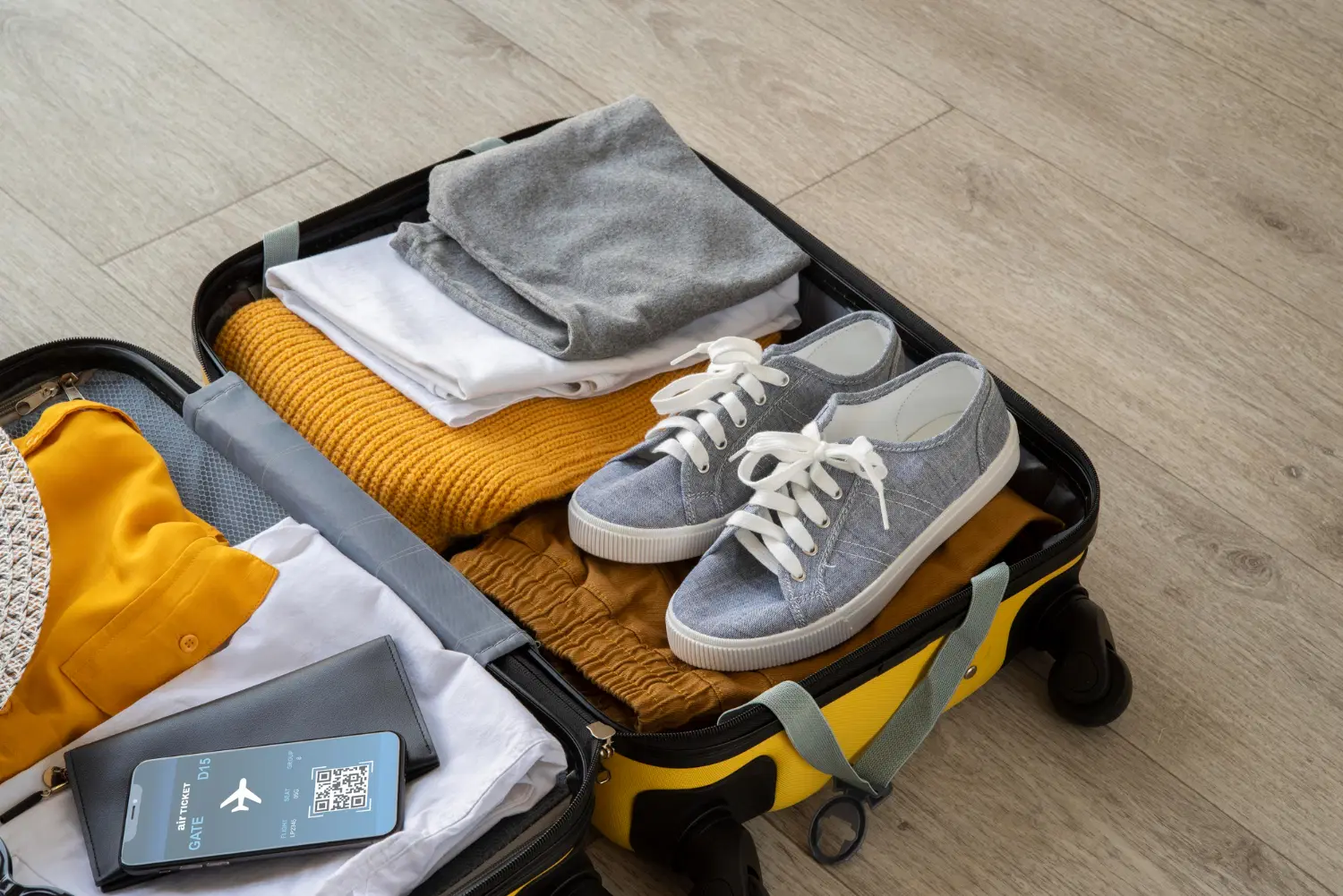
So what is a carry on, functionally? It’s the bag that holds the stuff you don’t need mid-flight. Clothes, shoes, toiletries, chargers you’re not actively using. If you’re gone three or four days, a full-size carry-on is usually enough to skip checked baggage entirely. Put simply, what is a carry on bag comes down to size and stow location, not the style of bag itself.
Airlines don’t care much whether it’s a rolling suitcase, a duffel, or a squared-off backpack. What they care about is whether it fits in the sizing frame at the gate. In my years covering festival travel, I’ve watched more people get caught out by an overstuffed carry-on than by anything else in their packing list. It looked fine at home. It didn’t look fine once it was full.
What Is a Personal Item on a Plane?
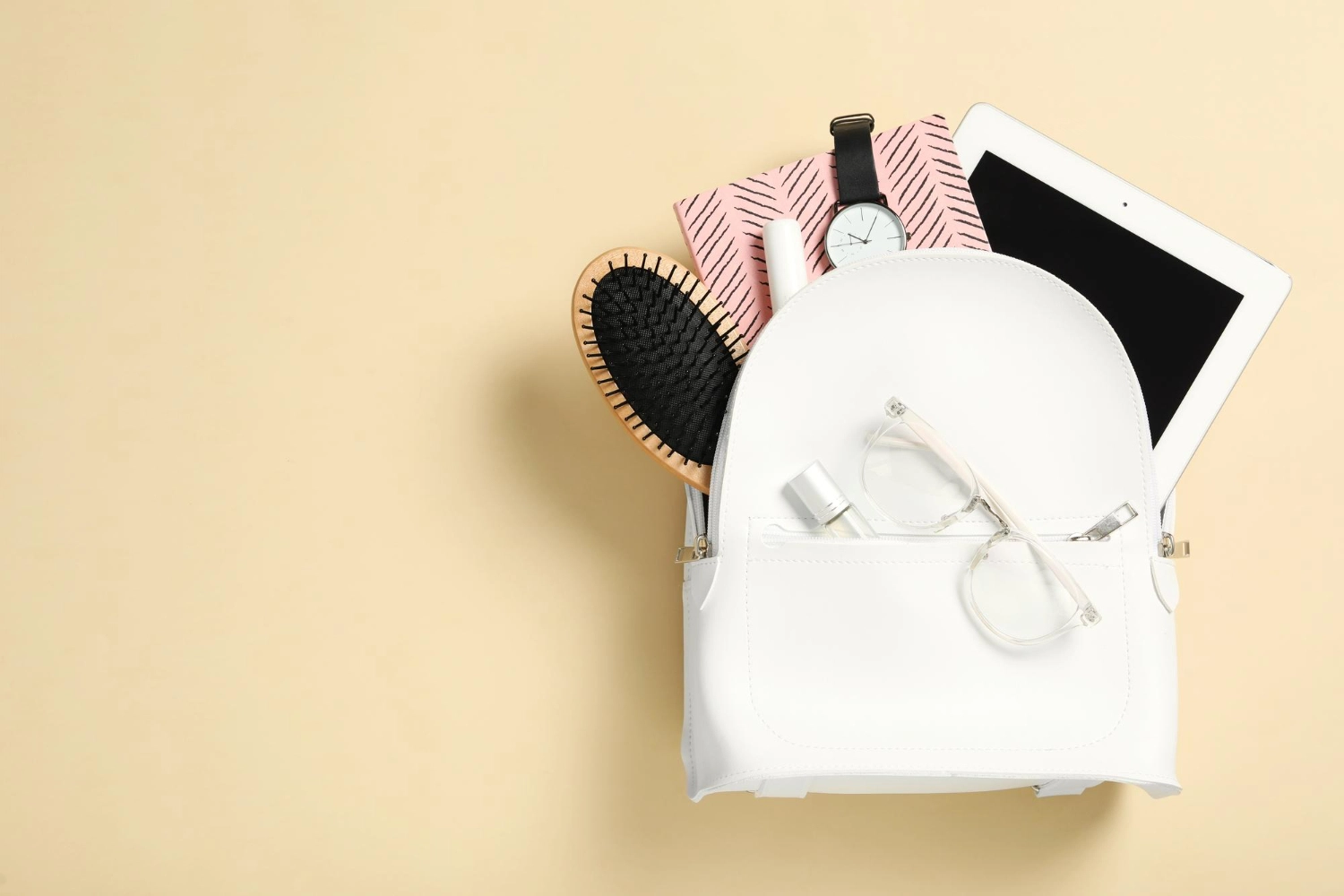
A personal item is the smaller bag that has to fit completely under the seat in front of you. Think laptop backpack, tote, purse, or briefcase. Typical limits sit around 18 x 14 x 8 inches, though several budget carriers now allow closer to 16 x 12 x 8 inches.
This is where most of the confusion happens. What counts as a personal item on a flight isn’t really about the bag’s style, it’s about whether it disappears under the seat without you fighting it. A backpack, a purse, a small duffel: any of them can qualify, as long as they’re small enough.
Same security rules apply here as they do to your carry-on. Liquids under 3.4 ounces, no sharp objects, batteries kept accessible rather than checked. The personal item just happens to be the bag airlines almost never bother measuring, as long as it visibly slides under the seat.
Carry-On vs Personal Item: What’s Actually Different?
The difference between carry on and personal item comes down to three things: where it’s stowed, how big it can be, and how strictly it gets checked. A carry-on rides overhead and gets measured closely. A personal item lives under your seat and mostly gets a glance.
Personal item vs carry on also plays out in purpose. Seasoned travelers keep essentials in the personal item, passport, phone, meds, a change of clothes, so that even if the carry-on gets gate-checked, they’re never separated from what actually matters mid-flight.
The table below lays out the split according to American Airlines’ published baggage policy, which is fairly representative of most full-service carriers.
| Feature | Personal Item | Carry-On |
|---|---|---|
| Typical size limit | 18 x 14 x 8 in (45 x 35 x 20 cm) | 22 x 14 x 9 in (56 x 36 x 23 cm) |
| Stow location | Under the seat in front of you | Overhead bin |
| Weight enforcement | Rarely weighed | Often 15 to 22 lb limit |
| Common bag types | Backpack, tote, purse, laptop bag | Roller bag, duffel, larger backpack |
| Typical contents | In-flight essentials | Clothes, shoes, toiletries |
But here’s the thing. Not every airline draws the line in the same place. A bag that’s a free personal item on one carrier can be a paid carry-on on another. That inconsistency is exactly why so many travelers get caught off guard.
How Big Is a Personal Item, Really?
How big is a personal item depends entirely on which airline you’re flying, and the range is wider than most people expect. Some carriers are generous. Others measure down to the centimeter.
Here’s roughly where things stood heading into mid-2026, based on official carrier policies:
- American Airlines: 18 x 14 x 8 in (45 x 35 x 20 cm), no strict weight limit
- United Airlines: around 17 x 10 x 9 in, on the tighter end for major US carriers
- Spirit Airlines: 18 x 14 x 8 in, but measured closely at the gate
- Frontier Airlines: 14 x 18 x 8 in
- Ryanair’s official policy: 40 x 30 x 20 cm (about 16 x 12 x 8 in), free with every fare
Ryanair’s number is worth pausing on. The airline widened its free personal item allowance in 2025 to align with a new EU cabin baggage standard, bumping it up from a tighter 40 x 20 x 25 cm box. If you haven’t flown Ryanair in a couple of years, your old measurements might be outdated.
The safest move, if you fly multiple airlines and don’t want to remeasure every trip, is to keep your under-seat bag near 16 x 12 x 8 inches. That clears almost every carrier’s limit with a little room to spare.
Does TSA Control the Size of Your Carry-On?
No. This trips up a lot of travelers. TSA doesn’t set size or weight limits for carry-on bags or personal items at all. That decision belongs entirely to the airline.
What TSA does control is what’s inside the bag: the 3-1-1 liquids rule, prohibited items, battery restrictions. Size and weight are the gate agent’s problem, not the security checkpoint’s.
“Size dimensions of carry-on baggage allowed in the cabin of the aircraft vary by airline. Contact your airline to ensure what can fit in the overhead bin or under the seat in front of you.”
Transportation Security Administration, tsa.gov
So what does that actually mean for you? You can pass through security with a bag that’s technically oversized, then get stopped at the gate twenty minutes later. Two completely different checks, two completely different sets of rules. Don’t assume clearing security means your bag is airline-compliant.
Why Airlines Are Cracking Down in 2026
The size limits themselves haven’t moved much in years. What has changed is enforcement, and it’s changed fast. Airlines are rolling out reinforced metal sizers at more gates, and staff are measuring bags they would have waved through a couple of years ago.
Part of this is financial. Reporting on 2026 gate-check trends shows fees now commonly running $35 to $100 depending on the carrier, with budget airlines at the top of that range. Ryanair alone increased staff incentives for catching oversized bags in late 2025, removing the monthly cap on how many bags an agent could flag.
And it gets more complicated on international routes. European budget carriers weigh personal items far more aggressively than US airlines typically do, and connecting flights raise their own headache: a bag that’s fine for your domestic leg might fail the moment you board an international connection with different rules.
Here’s the part most people miss. Soft-sided bags used to get some slack because they could compress to fit the sizer. That grace period is largely gone. If it doesn’t slide in cleanly, it gets tagged, regardless of how squishy it is.
Backpacks, Purses, and Other Gray Areas
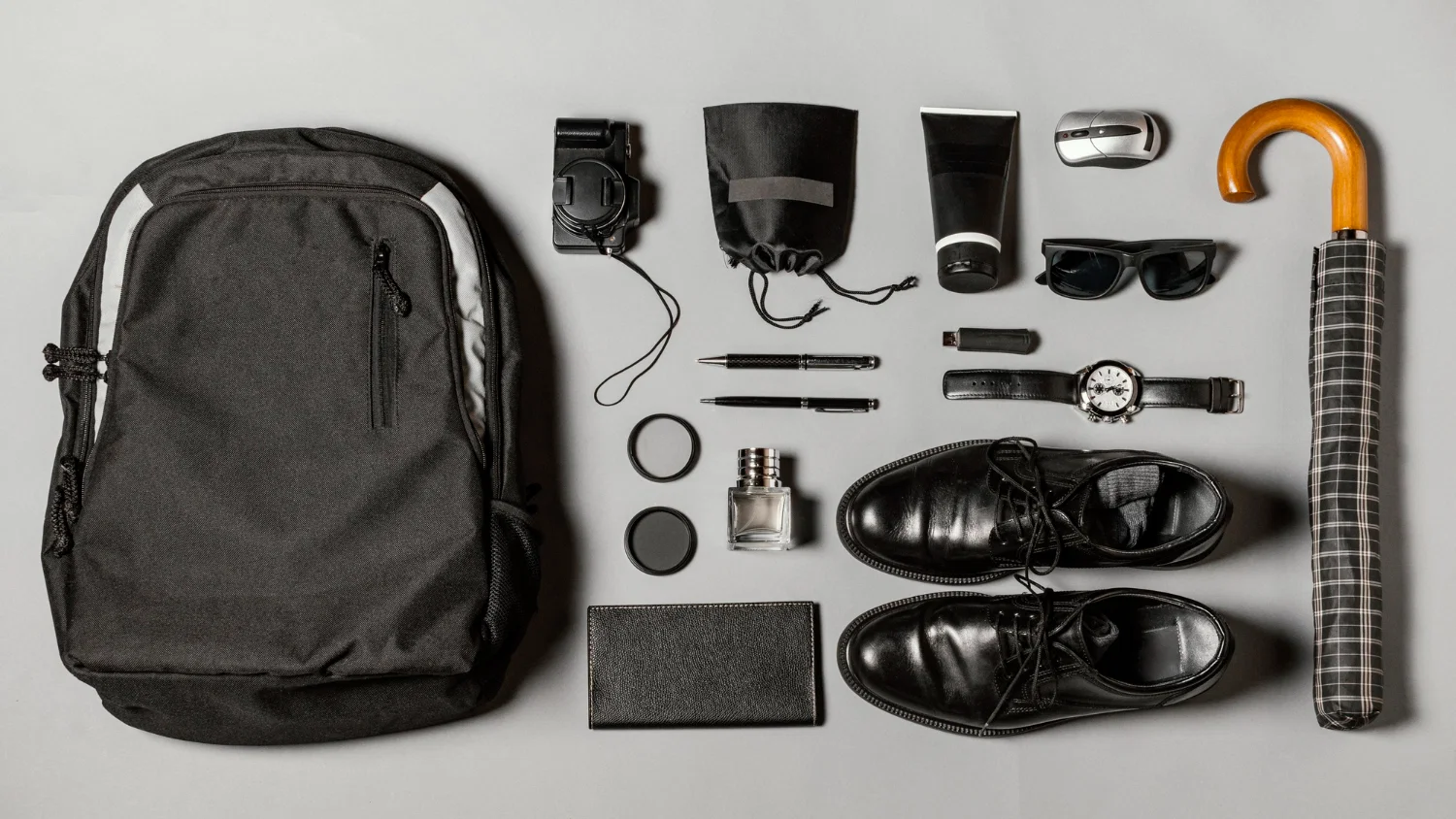
A backpack can be either bag, and that’s exactly what makes it useful. If it fits under the seat, it’s your personal item. Pack it fuller or buy a bigger one, and it becomes your carry-on instead, as long as it still meets the airline’s overhead limits.
The same logic covers most personal bag and carry on gray areas: purses, laptop bags, small totes. Airlines generally don’t care what you call the bag. They care whether it fits where it needs to fit.
Soft-sided luggage still has an edge here, even with tighter enforcement. A canvas or nylon backpack can compress a couple of centimeters at the sizer in a way a rigid hardshell case simply can’t. If you’re buying new luggage specifically to dodge fees, that flexibility is worth paying for.
Carry-On, Personal Item, or Both: Which Should You Choose?
The short answer? It depends on your ticket, your trip length, and how much you’re willing to carry through an airport. But there are a few patterns worth knowing before you book. Framed as a personal bag vs carry on decision, it usually comes down to how many days you’re gone and whether your fare already includes the bigger bag.
Choose a full carry-on plus a personal item when:
- You’re traveling more than three or four days and don’t want to do laundry
- Your fare already includes a free carry-on, so skipping it wastes what you paid for
- You’re bringing gear you don’t want checked, cameras, instruments, festival equipment
Lean into personal-item-only when:
- You’re on a budget fare where the carry-on is a paid add-on
- The trip is short, a weekend city break or a quick festival run
- You’d rather skip the overhead bin scramble entirely and board without a second thought
After a decade of hopping between festival weekends and quick European city breaks, I default to personal-item-only for anything under three nights. It’s faster through security, faster off the plane, and one less thing to drag between stages or hostels. If you’re planning a trip like the ones we cover at fresh-island.org, that’s usually the smarter call unless you’re hauling gear.
Worth pausing on that for a second: even if you do check a carry-on, keeping your essentials in your personal item means you’re never fully stuck without them.
FAQ
So what’s a carry-on, in plain terms?
It’s the bigger of your two cabin bags, the one that goes in the overhead bin rather than under your seat. Most airlines cap it around 22 x 14 x 9 inches, though budget carriers often run smaller. If you’re still wondering whats a carry on versus a personal item, it’s meant to hold everything you won’t need during the flight itself, mainly clothes, shoes, and toiletries. Whether it’s free depends entirely on your fare type.
What is considered a carry-on if my bag is borderline?
If it needs the overhead bin to fit, or it exceeds your airline’s personal item dimensions, it’s a carry-on. The safest test is simple: try sliding it fully under an airplane-style seat. If it won’t go, or it blocks your legroom significantly, treat it as a carry-on and expect it might get measured at the gate. In short, what is considered a carry on comes down to the airline’s own sizing chart, so check your specific airline’s published dimensions rather than guessing from a bag’s marketed size.
What is considered a personal item on a flight if it has no official size printed on it?
Airlines judge personal items mostly by function, not labeling. If a bag comfortably slides under the seat in front of you without you forcing it, it usually qualifies, even without a manufacturer’s size tag. Most gate staff eyeball rather than measure personal items, unless yours looks obviously oversized or overstuffed. Still, if you want certainty, measure it yourself against your airline’s published limit before you fly.
Can I bring both a carry-on and a personal item on every airline?
Not always. Full-service airlines like American, Delta, and United typically include both with standard economy fares. Budget carriers, including Spirit, Frontier, and Ryanair, often include only the personal item free, charging extra for a full carry-on. Basic economy fares on major airlines are increasingly following that same pattern. Always check your specific fare class before assuming both bags are included.
Is a backpack a carry-on or a personal item?
It can be either, depending on its size when packed. A smaller backpack that fits under the seat counts as your personal item. A larger one that needs the overhead bin counts as your carry-on instead. Soft-sided backpacks have an advantage here since they compress slightly to fit sizing frames. Just make sure it meets whichever category’s size limit before you rely on it.
What happens if my bag doesn’t fit at the gate in 2026?
You’ll be asked to gate-check it, usually for a fee that now runs anywhere from $35 to over $100 depending on the airline. Budget carriers like Ryanair sit at the higher end of that range. Staff have little discretion to waive this once your bag fails the sizer, so it’s rarely worth arguing. The far cheaper option is pre-purchasing checked or extra cabin baggage online before you ever reach the airport.
Packing Smart for Your Next Flight
The rules haven’t gotten dramatically stricter on paper. What’s changed is that airlines are actually enforcing what was already written down, and that catches a lot of travelers who haven’t updated their habits in a few years.
The fix isn’t complicated. Know your fare type before you pack. Measure your bag, wheels and handles included, rather than trusting the label it came with. And keep your true essentials in your personal item, so even a worst-case gate-check doesn’t leave you stranded without your passport or your meds.
Beyond that, it really is just a matter of matching the bag to the trip. Short hop, personal item only. Longer stay or bulkier gear, bring the carry-on too. Get that call right before you book, and the gate sizer stops being something to worry about.

Julia King has spent the better part of a decade chasing music festivals, weekend getaways, and the kind of travel chaos that makes for a good story afterward — and turned that into a practical, no-nonsense approach to writing about it. She covers everything from Europe’s nightlife scene and underrated party destinations to the gear that makes festival weekends survivable, from power banks that don’t die by day two to earplugs that actually protect your hearing without killing the music; her focus is less on dream-destination lists and more on what will actually happen and how to plan around it. When she’s not researching a new city’s nightlife or testing travel gear, Julia is usually planning her next trip with a festival lineup as the excuse and a backup plan just in case.
Sources
- Transportation Security Administration. “What are the size restrictions for carry-on bags?” TSA.gov, 2026.
- American Airlines. “Carry-on bags.” AA.com, 2026.
- Ryanair. “Bag Rules.” Ryanair Help Centre, 2026.
- SmarterTravel. “Carry-On Luggage Rules 2026: Size Limits for Every Major Airline.” SmarterTravel, 2026.
- CabinZero. “Ryanair Cabin Bag Size, Baggage Allowance and Fees.” CabinZero, 2026.