
Best Earplugs for Concerts: Protecting Your Hearing Without Ruining the Music
High-fidelity concert earplugs cut volume to safe levels while keeping the music sounding like music, not a muffled version of it. This guide compares the top 2026 options, from the Loop Experience 2 and Loop Switch to EarPeace HD and custom-molded musician earplugs, covering SNR ratings, pricing, and which pick suits casual gig-goers versus people who attend dozens of shows a year.
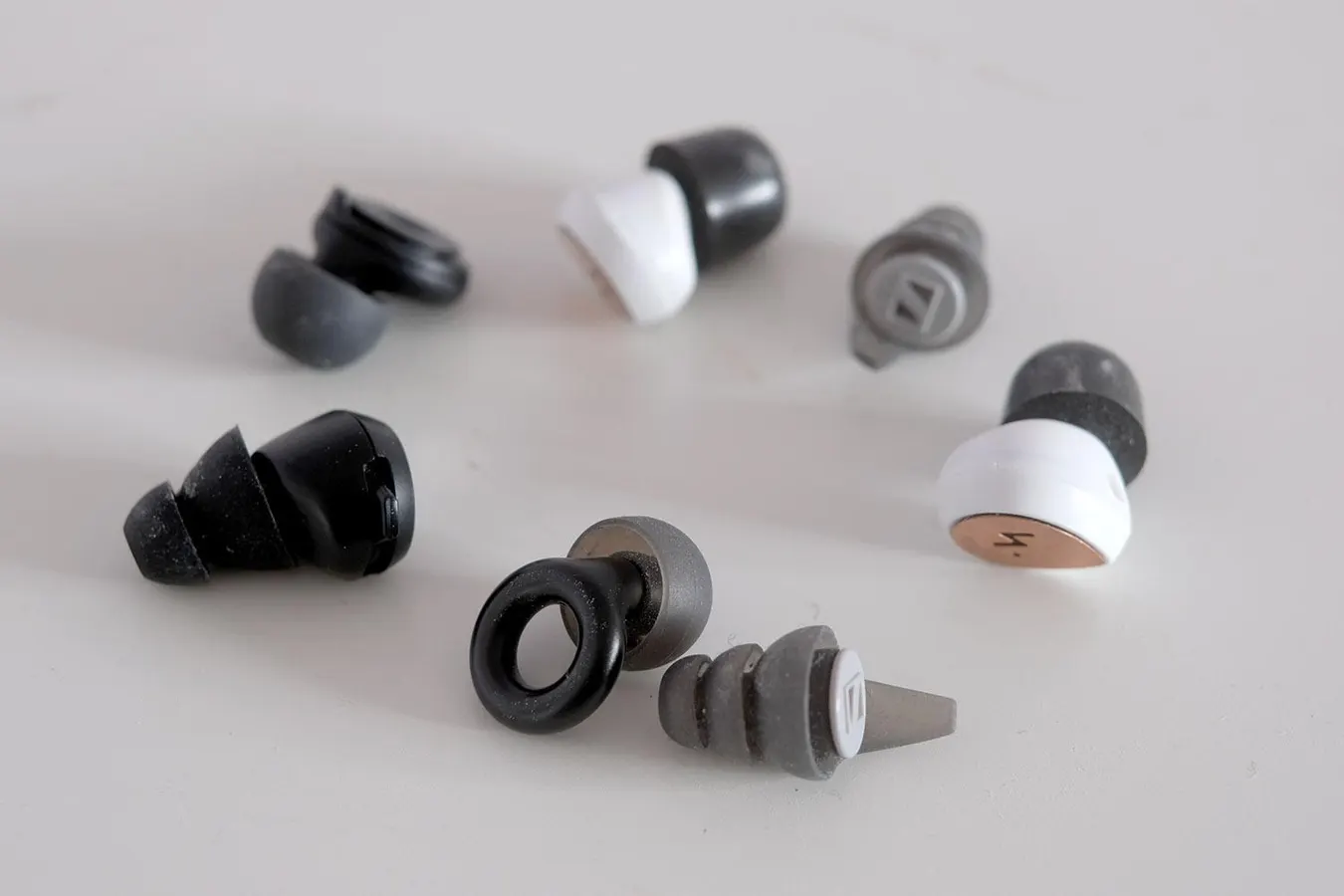
Concert earplugs serve one critical purpose: reducing the volume of live music enough to protect your hearing while preserving enough sound quality that you’re still actually listening to music, not a muffled version of it. The best earplugs for concerts do both jobs well. The worst ones, foam pharmacy earplugs shoved in at the last minute, do one job badly and the other not at all. This guide covers what to buy, how to choose, and what the field actually looks like in 2026.
In This Article
- Why Concert Ear Protection Matters More Than Most People Act On
- What Makes a Concert Earplug High-Fidelity
- Best Concert Earplugs in 2026: The Top Options
- Comparing the Top Concert Earplugs
- Are Loop Earplugs Actually Worth It
- Practical Notes for First-Time Concert Earplug Users
- The Simplest Summary on Concert Ear Protection
Why Concert Ear Protection Matters More Than Most People Act On
Noise-induced hearing loss is permanent and cumulative. A single concert at 110 dB without protection is enough to cause temporary threshold shift, that ringing you hear after a show. Repeat that experience dozens of times and temporary becomes permanent. The average loud concert runs between 100 to 120 dB depending on the venue and your position relative to the speakers, and human hearing begins sustaining damage above 85 dB.
The good news is that high-fidelity concert earplugs have become genuinely good. The barrier to entry is low, under £30 for solid entry-level options, and the technology has improved enough that wearing them doesn’t meaningfully degrade your experience of the show.
What Makes a Concert Earplug High-Fidelity
Standard foam earplugs attenuate high frequencies more than low ones. The result is that the music sounds bass-heavy, muffled, and distorted, which is why musicians and experienced gig-goers refused to use them for years. High-fidelity or music earplugs use acoustic filters that attenuate sound more evenly across the frequency spectrum. The music is quieter, but it sounds like music rather than bass with the detail removed.
The measurement used is SNR (Single Number Rating), the decibel reduction an earplug provides averaged across frequencies. For concerts, an SNR between 12 and 20 dB covers most situations. Below 12 dB doesn’t protect you adequately at very loud shows; above 20 dB starts to feel isolating and makes conversation and stage communication harder.
Best Concert Earplugs in 2026: The Top Options
Loop Experience 2, Best All-Round Concert Earplug
Loop has become the most visible brand in the concert earplug market, and the Loop Experience 2 is their core product for music listening. It offers approximately 17 dB of sound reduction with an acoustic channel designed to preserve sound clarity across frequencies. The physical design, a circular loop that sits outside the ear canal, is distinctive and frankly looks more like a piece of jewellery than a medical device, which has helped remove the self-consciousness that previously stopped people wearing them at shows.
The Experience 2 comes in multiple colors, includes four ear tip sizes, and retails at around £30. For the majority of concert situations, indoor venues, outdoor festivals, clubs, it performs well enough that it’s the first recommendation for someone who has never used concert earplugs before.
Loop Engage 2, Best for Social Situations
The Engage 2 is Loop’s version optimized for listening and conversation alongside music exposure. It uses a different acoustic filter than the Experience 2, delivering around 16 dB of reduction with a profile that lets speech through more clearly. At a festival where you’re moving between performances, spending time in bars or catering areas with loud music playing, and talking with friends throughout the day, the Engage 2’s balance makes practical sense.
If the Experience 2 is designed for the moments you’re in front of the stage, the Engage 2 is designed for the full festival day around it.
Loop Switch, Most Versatile Option
The Loop Switch is Loop’s premium product, retailing around £50, and offers three filter modes: Quiet (22 dB reduction), Experience (18 dB), and Engage (10 dB). You switch between them by rotating a small dial on the earplug body. For a day that moves between very loud stages, moderate indoor venues, and social areas, this flexibility is genuinely useful rather than a marketing gimmick.
The Switch is the right choice for frequent concert-goers who attend a wide variety of venue types and don’t want to own three different pairs of earplugs.
EarPeace HD, Best Budget High-Fidelity Option
EarPeace makes a three-filter system that provides different attenuation levels (11, 14, or 17 dB depending on which filter you insert). The retail price is around £20 to £25, making it the best value entry point into quality concert earplugs. The design is lower profile than Loop, the earplug sits more flush in the ear canal, which some users prefer for discretion.
The trade-off is that the acoustic performance is slightly below the Loop Experience 2 at the same price point, and the ear tips take a little more adjustment to seat correctly. For someone who wants to try concert earplugs without spending £30 on Loop first, EarPeace is a reasonable starting point.
Custom Musician Earplugs, Best Long-Term Investment for Regular Attendees
Custom earplugs are molded to your specific ear canal by an audiologist. The result is a perfect fit, maximum comfort for extended wear, and acoustic performance that off-the-shelf products can’t match. Prices start around £150 to £200 and can reach £400+ for top-specification musician monitors.
For professional musicians, sound engineers, or people who attend 50+ concerts and festivals per year, custom earplugs are a sound investment. For occasional concert-goers, the cost is difficult to justify when quality disposables exist at £30.
Comparing the Top Concert Earplugs
| Product | SNR | Best For | Price (approx.) |
|---|---|---|---|
| Loop Experience 2 | 17 dB | Most concerts and festivals | £30 |
| Loop Engage 2 | 16 dB | Social festival days | £30 |
| Loop Switch | 18/10 dB | Variable venue types | £50 |
| EarPeace HD | 11 to 17 dB | Budget entry point | £22 |
| Custom musician | Varies | Professional/frequent use | £150 to £400 |
Are Loop Earplugs Actually Worth It
The Loop Experience earplugs dominate the consumer concert earplug market and have been extensively reviewed. The consensus from audio professionals, audiologists, and regular festival attendees is that they deliver on their core promise: audible sound reduction that maintains music quality better than standard foam alternatives. They’re not perfect, some users find the fit imprecise for their ear canal shape, and the ear tip system requires some trial to get right, but at £30, the risk of trying them is low.
“Audible sound reduction that maintains music quality better than standard foam alternatives.”
General consensus among audio professionals, audiologists, and regular festival attendees
The more important question is whether high-fidelity earplugs as a category are worth it compared to foam alternatives. The answer from hearing professionals is unambiguous: yes. The acoustic quality difference is substantial enough that musicians who would never tolerate foam plugs routinely use high-fidelity versions.
Practical Notes for First-Time Concert Earplug Users
Inserting earplugs correctly matters as much as which product you choose. Under-inserting results in both less protection and worse sound quality, as the acoustic filter is designed to function at a specific depth in the ear canal. Practice at home before wearing them to a show.
Bringing a backup pair is worth doing for multi-day festivals. Earplugs get lost, left in pockets, or damaged. A backup in a sealed case in your festival bag costs nothing in weight and potentially saves your hearing if the primary pair is lost.
For the full picture on what to bring to a live music event, photography gear, footwear, apps, the best point-and-shoot cameras for concert photography guide covers cameras worth packing alongside your ear protection. For trips combining concerts with European travel, the cheap European city breaks guide helps with the surrounding logistics.
The Simplest Summary on Concert Ear Protection
Buy the Loop Experience 2 if you want a straightforward recommendation. Buy the Loop Switch if you attend a wide range of venue types and want flexibility. Buy custom-molded earplugs if you’re a professional or serious regular concert-goer. And if you’re currently using no earplugs at concerts, start with any high-fidelity option tonight, your hearing in twenty years will register the decision.

Julia King has spent the better part of a decade chasing music festivals, weekend getaways, and the kind of travel chaos that makes for a good story afterward — and turned that into a practical, no-nonsense approach to writing about it. She covers everything from Europe’s nightlife scene and underrated party destinations to the gear that makes festival weekends survivable, from power banks that don’t die by day two to earplugs that actually protect your hearing without killing the music; her focus is less on dream-destination lists and more on what will actually happen and how to plan around it. When she’s not researching a new city’s nightlife or testing travel gear, Julia is usually planning her next trip with a festival lineup as the excuse and a backup plan just in case.