

Best Underground Techno Festivals in Europe 2026: The Definitive Guide
Europe runs the most serious underground techno and electronic music scene on the planet. This guide covers the top raves and boutique festivals for 2026, from a UNESCO-listed coal mine in Germany to a subalpine Norwegian valley and a lake-side forest in Poland. Real dates, real ticket prices, and what separates each event from the commercial noise.
Europe sets the standard for underground electronic music. Not because of the biggest stages or the loudest headliners, but because of what happens in the spaces between: the industrial ruins, the forest clearings, the converted warehouses, and the remote valleys where the only thing that matters is sound. Mainstream EDM events push pop music and spectacle. The underground scene operates on a different logic entirely. Small capacities. Curated lineups. Sound systems treated as instruments. And crowds that travel hundreds of kilometers specifically for the music, not the Instagram backdrop. After covering Europe’s electronic music circuit for years, here’s where I’d put my money in 2026, from the iconic warehouse events that define the form to the boutique festivals that most people haven’t heard of yet.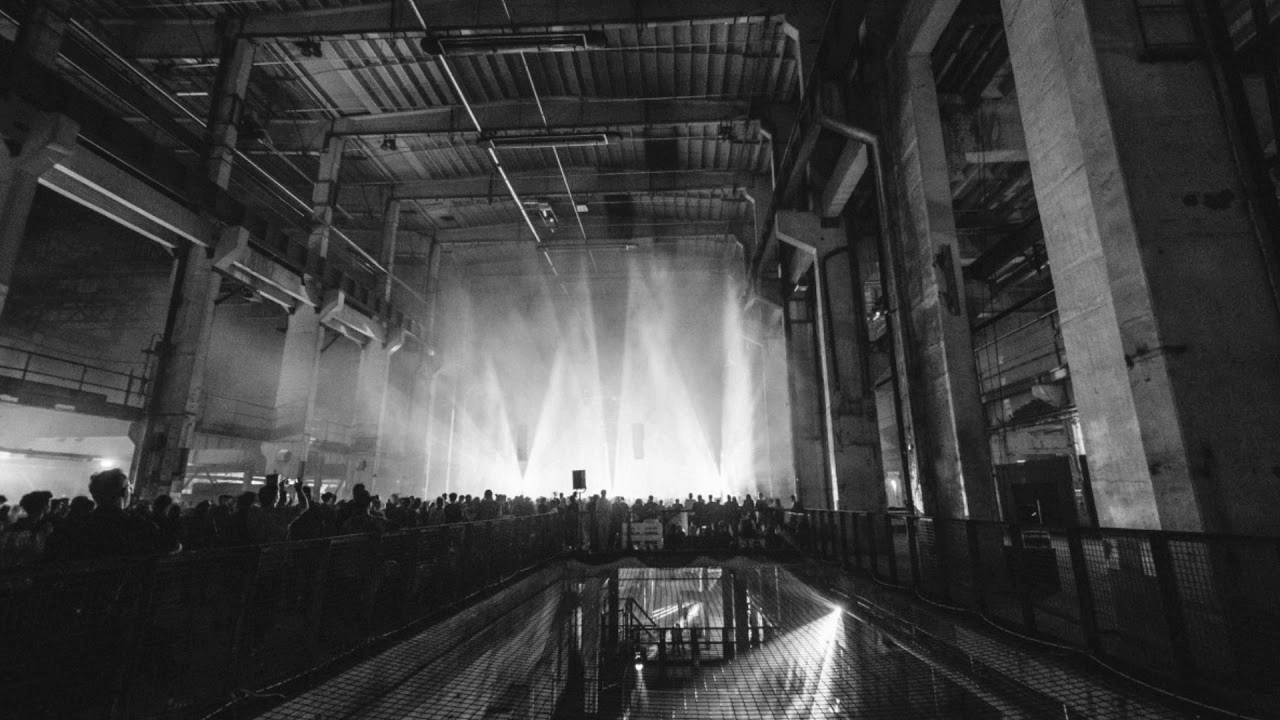
In This Article
- Stone Techno Festival – Germany
- Draaimolen Festival – Netherlands
- Waking Life – Portugal
- Monument Festival – Norway
- Garbicz Festival – Poland
- Paral·lel Festival – Spain
- Freerotation – Wales, UK
- Time Warp – Germany
- Kappa FuturFestival – Italy
- Sonus Festival – Croatia
- Underground vs. Commercial: What Actually Differs
- Festival Comparison Table
- Preparation Tips for Techno Raves
Stone Techno Festival (Germany) – July 10–12, 2026
If there’s one festival that distills the industrial origins of techno into a physical space, it’s Stone Techno. Held at the Zeche Zollverein in Essen, a UNESCO World Heritage Site that was once the largest coal mine and coking plant in the world, the setting is unlike anything else on the circuit. Massive concrete walls, iron piping, elevated conveyor bridges, and open blast furnace platforms become the architecture of the event. The spatial configuration is dense and deliberately disorienting. You move between zones framed by industrial machinery that’s been standing since the 1930s. It’s not a venue that tries to look cool. It already is, structurally and historically. The lineup tilts toward dark, hypnotic techno and minimal. Capacity sits between 8,000 and 10,000, which keeps it intimate for an event of this production quality. Tickets range from roughly $72 to $210 depending on tier and timing. Here’s the part most people miss: the acoustic surfaces of all that concrete create real sound engineering challenges, which forces the organizers to invest seriously in the system design. The result is a festival where the audio actually rewards the setting.- Best for: Berghain regulars, industrial techno fans, anyone who wants architecture and music to work together.
- What to expect: No camping on site. Book accommodation in Essen early. Strict door policy consistent with the event’s ethos.
Draaimolen Festival (Netherlands)
Draaimolen takes place at the MOB Complex in Tilburg, a former Cold War military mobilization site now covered in dense deciduous woodland. The forest canopy acts as a natural acoustic dampener, which is part of why this festival sounds so good: stages can be built in close proximity without bleeding into each other. Capacity is around 13,000, which puts it at the larger end of the boutique circuit while still feeling genuinely curated. Ticket prices run from €78 to €129. But here’s what makes Draaimolen stand out from other forest raves: the curation model. Individual stages are programmed by invited underground artists and collectives rather than a central booking team. Past editions have seen stages curated by KI/KI and by Blawan and Pariah as a duo. The result is a festival where each zone has its own distinct identity. The Lambda Labs QX-3 point-source cluster system, which has been deployed here, is one of the more technically advanced horn-loaded rigs in the European festival circuit. It’s the kind of detail that only matters if you care about sound. Which is exactly the kind of person Draaimolen is built for.- Best for: Deep techno and forward-thinking electronic music fans who prioritize curation and sound quality over headliner names.
- What to expect: Forest setting, multiple stage zones with distinct identities, daytime and nighttime programming. Tilburg is well-connected by rail from Amsterdam.
Waking Life (Portugal)
Waking Life operates in the semi-arid landscape around the Barragem das Nascentes reservoir in Crato, central Portugal. Around 10,000 people. Tickets from €95 to €230. It sells out quickly and has a devoted following that treats the event less like a festival and more like a pilgrimage. The programming leans into vinyl-only and hybrid DJ sets, which creates its own technical complications. Low-frequency energy from nearby subwoofer arrays can travel through stage decks and cause physical feedback in tonearms. Wind and fine sand affect stylus contact. The festival addresses this through custom isolation platforms that decouple turntables from the structure using concrete slabs and pneumatic suspension. That level of specificity tells you everything about the ethos. And that’s just one part of it. Since 2020, Waking Life has also operated as a year-round ecological initiative, planting over 10,000 native trees across its 40-hectare site to regenerate the local ecosystem. The connection between community, landscape, and event is taken seriously here in a way that most festivals only claim.- Best for: Vinyl heads, community-oriented festival-goers, people who want a multi-day experience that goes beyond the dancefloor.
- What to expect: Remote location requires planning. Crato is in the Alentejo region, roughly 2.5 hours from Lisbon. Camping on site.
Monument Festival (Norway)
Monument is held at the Søre Risteigen farm in Veggli, a subalpine valley in central Norway. Capacity: around 2,000 people. That’s not a typo. It’s one of the smallest events on this list and one of the most deliberately designed. The mountain valley creates a natural amphitheater that isolates the sound stages, and the Funktion-One setups here use paper-cone midrange drivers without digital processing, which suits the hypnotic and organic styles programmed across the weekend. Tickets range from $225 to $310, reflecting both the remote logistics and the premium experience. The programming is handled through a partnership with Poland’s Up To Date Festival, co-curating platforms for peripheral electronic music markets and showcasing visual artists alongside ambient and hypnotic techno. The festival also runs a wellness program called the Eir tent, offering breathwork, meditation, yoga, and cacao ceremonies alongside the music. Michelin-starred dinners in a restored barn are also available for those who want them. Think about it this way: Monument is not trying to be a rave. It’s trying to be something more complete than that.- Best for: Techno fans who want a genuinely remote, small-scale, high-intention experience. People who value community and landscape as much as lineup.
- What to expect: Very limited tickets. Veggli requires significant travel from Oslo. Worth it.
Garbicz Festival (Poland)
Garbicz takes place in a protected forest and lake reserve near Torzym in western Poland. Around 8,000 people across multiple stages. Tickets are approximately €300 all-in, which includes camping in a protected natural environment. The festival runs its own cashless digital currency called the “Szunny,” pegged 1:1 to the Polish Zloty, which streamlines on-site transactions and funds local environmental preservation. Glamping zones called “Tentation” are available with power and hot showers, which meaningfully reduces the waste problem of abandoned temporary tents that plagues most camping festivals. But the real draw is the setting. A protected forest reserve in Poland, far from any city, surrounded by lake views and old-growth trees. The programming leans into deep, hypnotic, and experimental techno with extended sets and a genuine commitment to the late-night-into-morning format that the underground circuit does best.- Best for: Deep techno fans, people looking for a full multi-day community experience in a natural setting, anyone who wants Berghain energy in the forest.
- What to expect: Remote location. Torzym is near the German border. Dedicated shuttle services typically available from Berlin.
Paral·lel Festival (Spain)
Paral·lel is held at Port del Comte in the Pre-Pyrenees, at altitude, in a high mountain meadow. Capacity: around 1,000 people. This is one of the most extreme micro-festival formats on the European circuit, and it’s become genuinely cult. The event runs on a single-stage format structured as a three-part narrative: Friday covers ambient and leftfield electronic to help attendees ground themselves in the mountain environment; Saturday moves into deep hypnotic techno under the night sky; Sunday closes with emotional soundscapes and decompression. Tickets run €120 to €145. You buy into a curated experience, not just a lineup. The sound system uses custom turntable isolation platforms to handle vinyl playback at altitude, where wind is a constant factor. The Lambda Labs system deployed here provides directional low-end steering to keep bass energy on the dancefloor without bleeding into the surrounding landscape. For a festival of 1,000 people, the technical investment is extraordinary.- Best for: Vinyl-focused techno fans, people who want the most intimate and curated experience possible, anyone willing to travel to the mountains for sound.
- What to expect: Port del Comte is roughly 2 hours from Barcelona. Limited accommodation on site. High altitude means cold nights even in summer.
Freerotation (Wales, UK)
Freerotation is held at Baskerville Hall in Hay-on-Wye, Wales. Capacity: 700 to 1,000. It’s been running for over two decades and has the kind of reputation that gets built through word of mouth rather than marketing. The festival operates on a strict non-profit basis. It uses a biological chemical-free sewage treatment system on site, solar PV panels, solar thermal water heating, biomass boilers, and waste-biodiesel generators for vendors. Historical ticket prices were around £40, keeping it accessible in a way that most boutique festivals don’t even attempt. The programming is the kind of deep, leftfield electronic music that rarely gets programmed at larger events. Resident Advisor-circuit artists, extended sets, and an estate setting that includes indoor salons alongside outdoor spaces. Freerotation is not trying to grow. It’s been the same size for years and that’s the point.- Best for: Deep techno and house purists, anyone who prioritizes community over production scale, UK-based festival-goers looking for something off the beaten path.
- What to expect: Hay-on-Wye is in rural Wales near the English border. Accommodation on the estate is limited. Book through official channels as soon as tickets drop.
Time Warp (Mannheim, Germany)
Time Warp is the oldest and most internationally recognized indoor techno event on this list. Mannheim, Germany. It transforms massive exhibition warehouse spaces into multi-room events that run through the night and into the following day. The investment in lighting design and sound engineering is serious. Crystal-clear systems in architecturally segmented rooms, each with its own atmosphere and music direction. Hard techno, minimal, classic Detroit sounds, contemporary European techno: Time Warp covers the full spectrum without diluting any of it. This is not a hidden secret. It sells out every year and attracts crowds from across Europe. But it earns that reputation. The production quality is consistent at a level that very few indoor events match. If you want the warehouse rave experience with genuine quality control, this is where to start.- Best for: Anyone new to European underground techno events, international visitors who want a high-production benchmark experience, hard techno fans.
- What to expect: Mannheim is well-connected by rail from Frankfurt and Stuttgart. No camping. Book accommodation well in advance.
Kappa FuturFestival (Turin, Italy)
Kappa FuturFestival takes place inside Parco Dora, an abandoned Fiat and Michelin factory complex in Turin. Over 30,000 people gather under the giant steel pillars, concrete canopies, and elevated industrial walkways of the decommissioned plant. The daytime format distinguishes this event. It runs from noon until midnight, which means you’re dancing on concrete in direct sunlight for the early hours. Pack accordingly: the Italian crowd brings unmatched energy, but the surface and the heat are genuinely demanding. Good festival shoes are not optional here. The programming skews toward techno, minimal, and contemporary club music with international headliners alongside European underground figures. The industrial setting is spectacular and the production matches it. Among the larger-capacity techno events in Europe, Kappa is consistently one of the best executed.- Best for: Daytime industrial rave fans, people who want large-scale production in a genuinely unique architectural setting, Italian techno scene regulars.
- What to expect: Turin is well-connected by rail. No camping. Hard concrete floors for 12 hours: bring proper footwear and prepare your feet.
Sonus Festival (Croatia) – Zrce Beach, Pag Island
Sonus is the only event on this list that combines underground electronic music with a beach holiday, and it does so at Zrce Beach on the island of Pag. Five days of techno, minimal, and house across open-air clubs and boat parties, with the Adriatic in the background. The format is distinctly Croatian: daytime boat parties, sunset sets at open-air stages over the sea, and club nights that run until well past dawn. The crowd mixes serious music fans with people who are primarily there for the holiday, which gives the event a different energy than the pure underground events elsewhere on this list. Getting to Zrce requires planning. Pag island is accessible by ferry from the mainland, and the nearest airports are Zadar and Split. If you’re combining Sonus with a broader Croatian trip, the island works well as a multi-day base. For accommodation close to the venue, the options within 15 minutes of Zrce Beach cover a range of budgets if you book early.- Best for: Electronic music fans who want sun and sea alongside the music. Anyone combining a Croatian trip with a festival.
- What to expect: Beach setting means weather-dependent outdoor stages. Zrce is built for this. The Zrce accommodation guide covers the full range of stay options.
Underground vs. Commercial: What Actually Differs
The word “underground” gets used loosely in festival marketing. Worth being specific about what it actually means in practice. Commercial electronic music festivals, including the large EDM events, prioritize scale: maximum ticket sales, corporate sponsorship, viral visibility, and mainstream headliners. They build stages designed for crowds of 50,000+, use high-output line-array systems optimized for loudness and visual impact, and program short sets with fast artist turnover to maximize audience throughput. The events on this list operate on a different model. Capacities are deliberately capped, often between 1,000 and 15,000. Sound systems are treated as artistic instruments rather than utilities: the horn-loaded point-source rigs and custom Funktion-One setups you find at Draaimolen, Monument, and Paral·lel deliver acoustic precision that commercial line arrays can’t match in the same way. Programming relies on extended sets, sometimes four to eight hours long, with artist-curated zones and intentional narrative arcs across the weekend. So why does this matter? Because the experience is genuinely different. Not better or worse in absolute terms, but built for a different purpose. If you want massive spectacle and peak-hour headliner moments, the commercial events deliver that. If you want four hours of vinyl-only deep techno at sunrise in a mountain meadow, you need to know where to look.“True underground techno focuses entirely on sound quality, physical stamina, and pure rave culture. The venue is part of the instrument.” European underground festival community consensus
Festival Comparison Table
All confirmed events with capacity, setting, and ticket price range in one place.
| Festival | Country | Capacity | Setting | Ticket Price |
|---|---|---|---|---|
| Stone Techno Festival | Germany | ~8,000–10,000 | UNESCO Industrial Complex | $72–$210 |
| Draaimolen Festival | Netherlands | ~13,000 | Cold War Forest Site | €78–€129 |
| Waking Life | Portugal | ~10,000 | Reservoir Shoreline | €95–€230 |
| Monument Festival | Norway | ~2,000 | Subalpine Mountain Farm | $225–$310 |
| Garbicz Festival | Poland | ~8,000 | Protected Forest & Lake | ~€300 |
| Paral·lel Festival | Spain | ~1,000 | Pre-Pyrenees High Meadow | €120–€145 |
| Freerotation | Wales, UK | ~700–1,000 | Historic Country Estate | ~£40 |
| Time Warp | Germany | Large indoor | Exhibition Warehouses | Varies by year |
| Kappa FuturFestival | Italy | ~30,000 | Abandoned Car Factory | Varies by year |
| Sonus Festival | Croatia | Multi-venue | Beach Clubs & Boats | Varies by tier |
Preparation Tips for Techno Raves
Multi-day electronic music festivals are physically demanding in ways that outdoor summer festivals often aren’t. A few practical things worth knowing before you go.- Protect your hearing properly. The sound systems at boutique underground events regularly exceed 120 dB in active zones. Standard foam earplugs muffle high frequencies and distort the music. Flat-attenuation hearing protection, which uses tuned filters to reduce volume evenly across the frequency spectrum, lets you hear the mix as intended while protecting your ears. This is not optional if you’re attending multiple events or staying on the dancefloor for extended periods.
- Footwear matters more than you think. Concrete floors at Kappa and Time Warp, uneven terrain at Waking Life and Monument, and soft forest ground at Garbicz and Draaimolen all demand different things from your shoes. Comfortable, broken-in footwear with support is worth thinking about before you pack.
- Plan your logistics specifically. Several events on this list are in remote locations. Monument in Norway, Waking Life in Portugal, and Paral·lel in the Pre-Pyrenees all require significant travel planning. Missing your transfer is a real problem when the next option might be hours away.
- Use the right apps on site. Cashless systems, schedule trackers, and location-sharing tools for finding your group in crowded dark rooms all make a meaningful difference. The essential festival apps guide covers what actually works.
- Budget for the full trip, not just the ticket. Remote festivals have lower ticket prices partly because they rely on you spending on-site. Transport, camping gear, and the cashless on-site economy can add up significantly. Plan your total spend before you go, not after.
What is the best underground techno festival in Europe?
It depends on what you’re optimizing for. For industrial heritage and serious dark techno, Stone Techno Festival at the Zeche Zollverein UNESCO site in Essen is hard to beat. For boutique scale and sound system obsession, Paral·lel in the Spanish Pre-Pyrenees and Waking Life in Portugal have the most dedicated followings among the vinyl and hypnotic techno community. For a combination of forest setting, artist-curated stages, and genuine curation, Draaimolen in the Netherlands is consistently one of the most respected events on the European circuit. There’s no single answer because the events serve genuinely different purposes.What are the best raves in Europe for 2026?
For underground and boutique raves specifically: Stone Techno (Germany, July), Draaimolen (Netherlands), Waking Life (Portugal), Monument (Norway), Garbicz (Poland), and Freerotation (Wales, UK) represent the strongest options across different scales and settings. For larger-capacity electronic music events with more mainstream accessibility, Time Warp in Mannheim and Kappa FuturFestival in Turin are the benchmark events. Sonus Festival on Zrce Beach in Croatia sits between the two, combining underground programming with a beach holiday format. Check each event’s official channels for exact 2026 dates, as boutique festivals often announce late.Where are the best hard techno festivals in Europe?
Hard techno has grown significantly as a distinct scene within European electronic music. Time Warp in Mannheim programs hard techno alongside minimal and classic Detroit sounds. Verknipt in Utrecht, Netherlands, has built a specific reputation in this space with its Face to Face format where two artists battle-collaborate. Hive Festival at Ferropolis in Germany runs fast-tempo techno on its Techno Castle and Rage Cage stages. Rotterdam Rave and Intercell warehouse showcases in Amsterdam also consistently feature hard techno artists. Stone Techno covers industrial sounds that overlap with the harder end of the spectrum. The scene is spread across club nights and festival stages rather than concentrated in a single event.How do I find affordable ticket options for techno festivals in Europe?
The most affordable festivals on this list are Freerotation (historically around £40), Draaimolen (€78 early bird), and Waking Life at the lower end of its tier. Eastern European events like Garbicz offer strong value relative to the experience once you account for Poland’s lower cost of living. For larger events like Time Warp, early bird and first-wave ticket releases are consistently the most affordable, often selling out within hours of going live. TicketSwap is the main secondary market for face-value transfers on many of these events. Buying from unofficial resellers outside these platforms carries real risk.What is the difference between underground techno festivals and mainstream EDM events?
The practical differences are significant. Underground festivals cap their capacity deliberately, typically between 1,000 and 15,000 people, to preserve the social environment and acoustic integrity. Sound systems are treated as artistic instruments: boutique events invest in horn-loaded point-source clusters and custom rigs rather than the commercial line arrays used at large EDM stages. Programming prioritizes extended sets, often four to eight hours long, with artist-curated stages and intentional narrative arcs rather than short peak-hour headliner slots. Corporate sponsorship is minimal or absent. The audience is self-selecting: people who traveled specifically for the music. None of this makes underground events objectively better, but the experience is genuinely different in ways that matter to dedicated fans of the form.Sources
- Stone Techno Festival. “STF26 Full Line-Up and Tickets.” stone-techno.com, 2026.
- Euro Travelo. “Draaimolen Festival 2026 – Tilburg, Netherlands.” eurotravelo.com, 2026.
- Festival Abroad. “Waking Life Festival – Planning Guide.” festivalabroad.com, 2026.
- Euro Travelo. “Monument Festival 2026 – Veggli, Norway.” eurotravelo.com, 2026.
- Garbicz Festival. “FAQ.” garbiczfestival.com, 2026.
- Freerotation. “About Us / FAQ / Our Ethics.” freerotation.com, 2026.

Julia King has spent the better part of a decade chasing music festivals, weekend getaways, and the kind of travel chaos that makes for a good story afterward — and turned that into a practical, no-nonsense approach to writing about it. She covers everything from Europe’s nightlife scene and underrated party destinations to the gear that makes festival weekends survivable, from power banks that don’t die by day two to earplugs that actually protect your hearing without killing the music; her focus is less on dream-destination lists and more on what will actually happen and how to plan around it. When she’s not researching a new city’s nightlife or testing travel gear, Julia is usually planning her next trip with a festival lineup as the excuse and a backup plan just in case.