

Best Nightlife in Europe: The Cities That Deliver After Dark
Europe’s best nightlife is not concentrated in one city. It’s spread across a dozen destinations, each with a distinct character, price point, and scene. This guide ranks the top European cities for nightlife in 2026, from Berlin’s no-closing-time warehouse clubs to Bucharest’s zero-licensing-hour Old Town, Belgrade’s floating river clubs, Budapest’s ruin bars, Amsterdam’s 24-hour peripheral venues, and beyond.
Europe runs the full range after dark. Legendary underground techno clubs. Open-air beach parties. Jazz bars in converted cellars. Ruin bars in derelict Jewish Quarter buildings. Floating river clubs on the Danube. Rooftop terraces that stay open until sunrise. And in a handful of cities, no closing time at all. The best nightlife in Europe is not a single answer. It depends entirely on what you’re actually looking for: the hardest techno, the cheapest drinks, the most social atmosphere, or the most historically strange setting. Each city on this list delivers something different, and the gap between them is real. I’ve spent years covering Europe’s nightlife circuit. Here’s where the cities actually stand in 2026, what makes each one worth the trip, and what the research shows about why some places work better than others.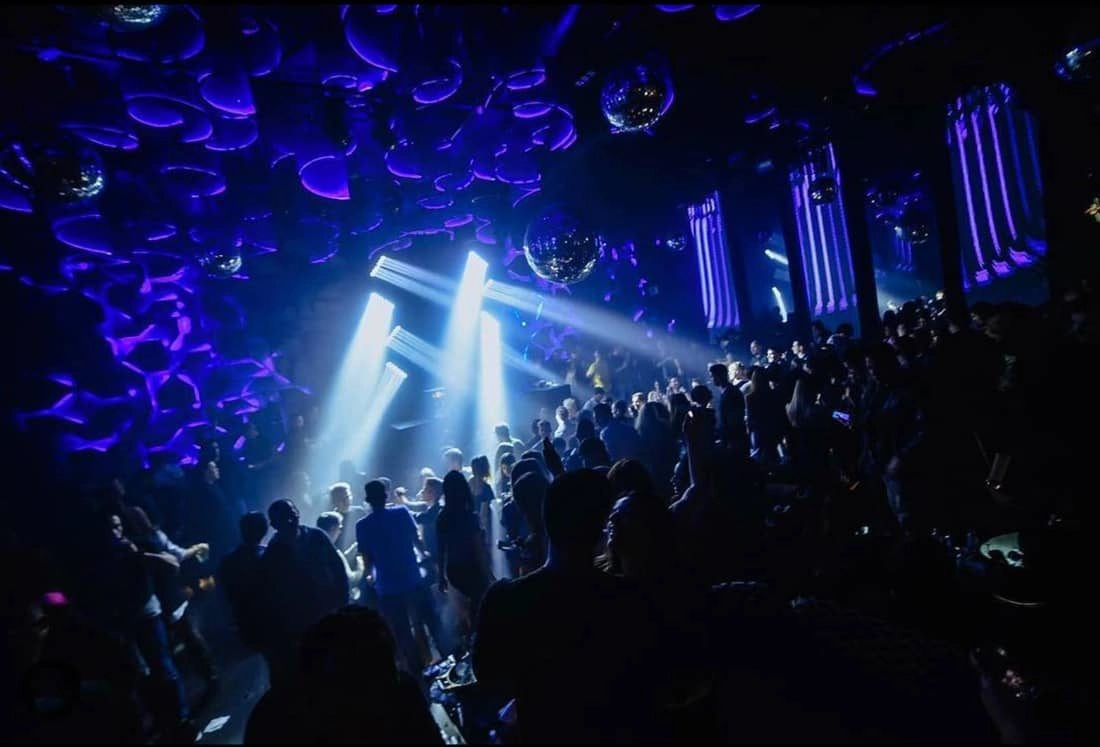
In This Article
- Berlin – The Global Standard
- Bucharest – Europe’s Most Permissive Scene
- Belgrade – The City That Never Closes
- Amsterdam – Sophisticated and Varied
- Budapest – Best Value Nightlife in Europe
- Ibiza – The Party Island Benchmark
- Tbilisi – The Underground That Became a Political Act
- Lisbon – Street Culture Under Pressure
- Prague – Cheap, Diverse, More Regulated Than You Think
- City Comparison Table
- Matching the City to Your Style
- Planning Tips
Berlin – The Global Standard for Nightlife
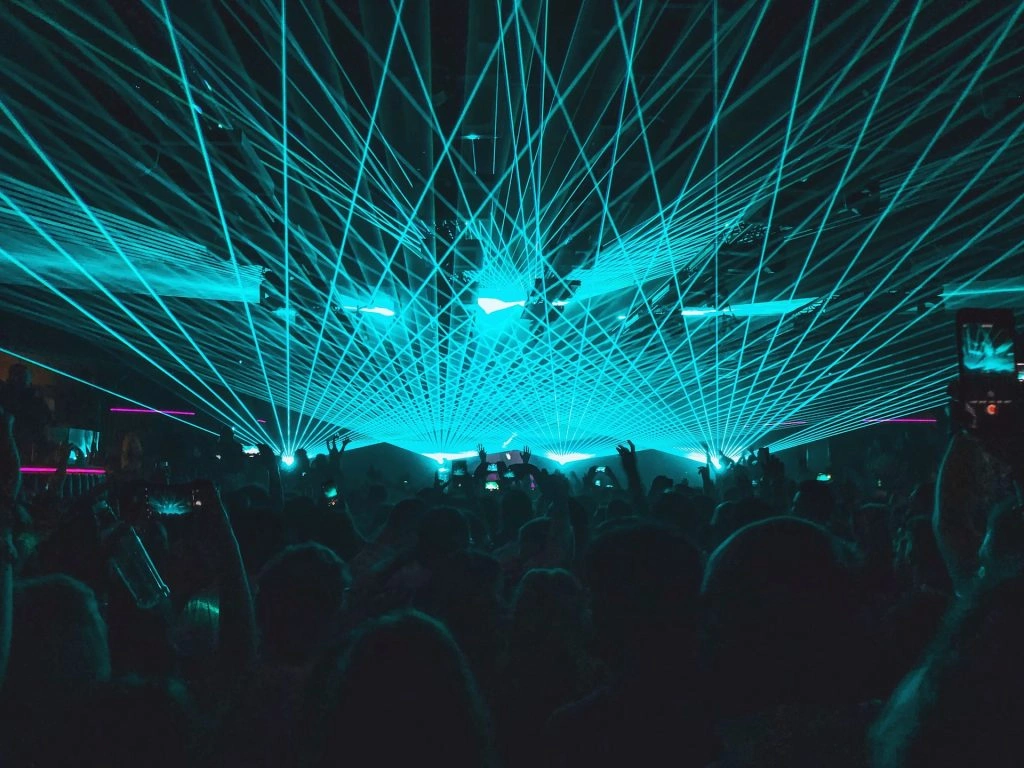
Berlin is not just one of the best party cities in Europe. It has defined what a serious club city looks like for the past three decades, and its institutional position is now legally protected. In March 2024, Berlin’s techno scene was officially inscribed on Germany’s national list of intangible cultural heritage, establishing a legal shield against urban redevelopment that no other city on this list has managed to build. The foundation of that protection goes back further. A 2016 German federal tax court ruling recognized Berghain as a cultural institution, placing its electronic programming on the same fiscal level as classical theaters and museums. That status allows venues to prioritize artistic integrity over commercial survival in a rapidly gentrifying city. The Berlin Clubcommission, founded in 2001, represents over 350 venues and operates as the connective tissue between grassroots counterculture and formal municipal policy. On the practical level: Berlin operates with no mandatory closing times, enabling continuous multi-day events. Germany’s partial cannabis legalization went into effect in April 2024, decriminalizing possession of up to 25 grams and allowing consumption in designated club smoking areas. Free anonymous drug checking services run directly at venues. Club entry runs €15–€25. Domestic beer is €4–€5. Beyond Berghain, the map includes Tresor (operating since 1991, one of the original techno institutions), RADION in the west of the city (a converted dentistry school with a 24-hour license), and Sisyphos, a sprawling outdoor and indoor complex in a converted factory that runs weekend-long events. Arriving before 1am is considered early. Some events run through Sunday afternoon. Nowhere else in Europe offers the same combination of venue quality, musical culture, and institutional protection.- Best for: Serious techno, extended multi-day events, people who want the highest-quality club experience in Europe.
- What to expect: Strict door policies (dress down, go in small groups, avoid tourist-obvious behavior). No formal closing time. Budget for transport back to your accommodation at whatever hour you leave.
Bucharest – Europe’s Most Permissive Party Scene
Romania’s capital has quietly built one of the most permissive nightlife environments in Europe, operating on a model most Western cities would consider unworkable: zero licensing hours. Clubs and bars are legally permitted to operate 24 hours a day, with events regularly running from midnight until late into the following afternoon. The core of that scene is the Lipscani district, the historic pedestrianized Old Town, where a dense concentration of venues sits steps from one another. Bar tables spill into cobbled streets, music overlaps between adjacent doorways, and the whole area operates as a permanent open-air festival atmosphere on weekends. This layout makes Bucharest one of the best European cities for bar-hopping without ever needing transit. But here’s where it gets interesting. The scene is genuinely bifurcated. The northern districts around Calea Floreasca and Herastrau Park host high-end venues with immersive lighting rigs and strict dress codes, catering to a local affluent crowd. Conversely, the alternative scene runs in post-industrial spaces: Control Club on Strada Constantin Mille (a legendary institution for electronic music and indie subcultures), Expirat Club in a historic industrial plant, and Fabrica in a converted factory hosting underground techno, art exhibitions, and live punk. The cost structure is among the lowest on this list. Entry at alternative venues runs €5–€10. Cocktails land around €6–€12. The caveat to know in advance: Romania enforces a strict 0.00% blood alcohol limit for all drivers, and cannabis carries up to a two-year prison sentence for possession. The deregulated nightlife operates within very firm outer limits on public behavior.- Best for: Young adults who want a high-energy, low-cost city with no closing times. Alternative and underground electronic music fans. First-time Eastern Europe visitors.
- What to expect: Old Town gets genuinely packed on weekends. Plan your return transport before you go out. Zero tolerance on driving.
Belgrade – The City That Never Closes
Belgrade runs on a timeline that disorients most visitors. A typical night starts with dinner at a Kafana (traditional Serbian tavern) around 9pm in the bohemian Skadarlija quarter, moves to bar warm-ups in the Old Town between 11pm and 1am, and hits clubs between 1am and 3am. Peak energy sustains from 3am to 6am. The night officially concludes sometime between 6am and 9am, often with burek at a 24-hour bakery. What makes Belgrade structurally distinct is the Splavovi: floating river clubs permanently moored along the Sava and Danube banks that operate through the summer. Venues like Freestyler, one of the oldest multi-level floating complexes, host international DJs and massive crowds. By putting summer nightlife on the water, Belgrade historically minimized friction with residential neighborhoods, keeping parties unimpeded until sunrise. The scene divides clearly between mainstream premium clubs, which require advance table reservations and operate on bottle service (€100–€200 per bottle), and alternative electronic underground venues like Drugstore (a raw concrete slaughterhouse warehouse) and Hangar, where casual attire is accepted and entry covers are small. The social codes are strict and they differ completely between the two worlds. Cost of living is lower than Budapest. The lack of international coverage means Belgrade crowds are more local than most comparable destinations. That’s either an advantage or a disadvantage depending on what you’re looking for.- Best for: People who want a genuine local nightlife scene with no closing time, a mix of party formats, and low prices. Summer visits specifically for the Splavovi experience.
- What to expect: The night starts very late. Don’t arrive at clubs before 1am. Residential noise laws have tightened in inner city since COVID, so some smaller bars close earlier than they used to.
Amsterdam – Sophisticated Nightlife Without the All-Night Marathon
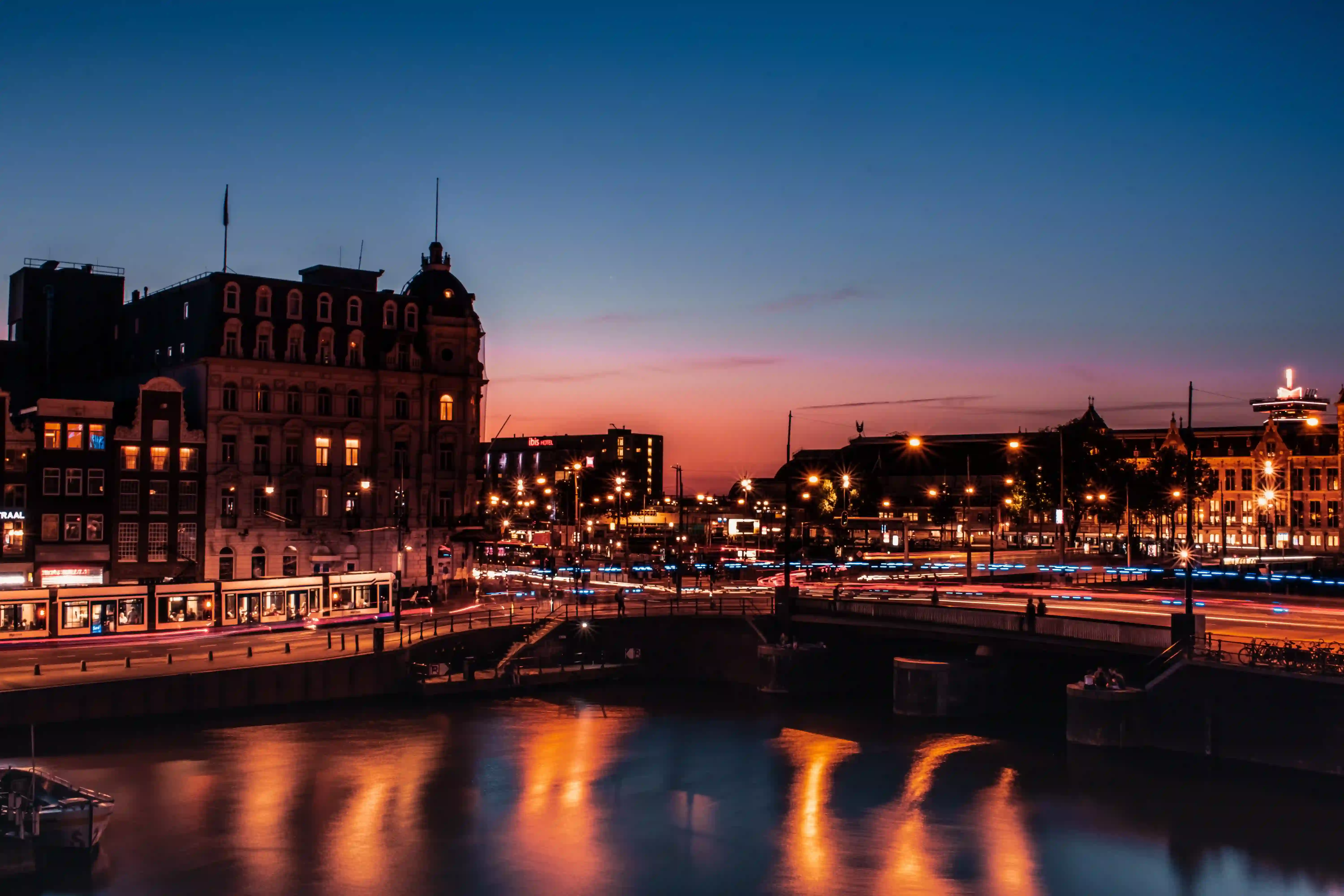
Amsterdam introduced the concept of the Night Mayor in 2013, and the institutional model it built around nightlife governance is still the most sophisticated in Europe. Rather than letting reactive municipal policies restrict venues, the Night Mayor mediates between entertainment interests, public health authorities, and residents. The result is a nightlife scene with real structural protection. The 24-hour licensing strategy is worth understanding. Instead of permitting unrestricted hours in the saturated historic center, Amsterdam distributed 24-hour licenses to venues in peripheral industrial districts: Sloterdijk, Amsterdam West, and Amsterdam North. RADION operates in a converted dentistry school in the west. BRET is built from shipping containers. Lofi runs in a converted bus garage with a 1,500-person capacity and an outdoor floor. These venues function as hybrid cultural spaces during the day and electronic music venues at night. The Amsterdam Dance Event draws over 600,000 international visitors annually and turns the city into a temporary global capital of electronic music. Dekmantel, Awakenings, and a dense network of club nights across Shelter (underground beneath A’DAM Tower), Garage Noord, and Doka provide year-round quality. Club entry and drink prices are higher than Eastern European destinations but reasonable for Western Europe. Amsterdam is also one of the best cities to pair nightlife with daytime culture. The Rijksmuseum, Van Gogh Museum, canal cycling, and the city’s compact layout mean the full 24-hour picture holds up exceptionally well for a multi-day trip.- Best for: People who want quality without commitment to an all-night marathon. Electronic music fans across house, techno, and experimental. Visitors combining nightlife with culture.
- What to expect: Clubs hold high legal accountability for safety. Venue owners carry significant liability for incidents on their premises. The scene is progressive and well-organized as a result.
Budapest – Best Value Nightlife in Europe
Budapest built its global nightlife reputation on a format no other European city has replicated: the ruin bar. Starting in the early 2000s, creative collectives began renting abandoned pre-war tenement buildings in District VII, the historic Jewish Quarter, and transforming them into sprawling, eclectic drinking gardens. Szimpla Kert is the most famous, a ramshackle multi-room complex with free entry, mismatched vintage furniture, exposed brickwork, and a Sunday farmers’ market. Instant-Fogas operates as a massive multi-club maze across seven dancefloors under one roof. The cost-of-living advantage is real and consistent. Drinks in Budapest run roughly 40–60% of what the same drinks cost in London or Amsterdam. A glass of wine at Szimpla costs €1.50–€4.50. Entry at Instant-Fogas is free before 11pm and €2.50–€5 after. A proper four-night Budapest nightlife trip costs less than a two-night Ibiza weekend at equivalent quality. For serious electronic music, Akvárium Klub in the city center hosts quality international bookings in a below-ground venue with good acoustics. Lärm is the venue most associated with serious techno in Budapest. The club scene competes with much bigger European cities at a fraction of the price. Worth noting about the regulatory situation: Budapest’s ruin bars sit within a UNESCO World Heritage buffer zone, which means national commercial law, not local district councils, governs late-night permits. This political arrangement has so far protected the district from resident-driven midnight closing rules, though local friction has increased. The scene is stable for now.- Best for: Budget-conscious travelers, people who want a genuinely unique venue format, anyone who wants strong nightlife quality at Central European prices.
- What to expect: District VII is extremely concentrated and can feel crowded on peak weekends. The better electronic venues are slightly outside the main ruin bar cluster.
Ibiza – The Party Island Benchmark
Ibiza operates in a category of its own among European nightlife destinations. Amnesia, Pacha, Ushuaia, and Hi Ibiza run at scales and production levels that no mainland venue matches. Headline DJs from across the electronic music spectrum rotate through weekly residencies from late May to early October. The Sunset Strip in San Antonio, where bars line the harbor and watching the sun go down is a ritual as old as the resort itself, provides a different pace from the clubs. The honest caveat is cost. Ibiza at peak season (July and August) is expensive. Club entry runs €40–€80 before drinks. Accommodation in the club zones hits hotel-level prices for hostel-quality rooms. Visiting in June or September cuts costs significantly while keeping the full season active. If you’re primarily there for the music and production rather than the scene itself, September is often the strongest month for headline bookings.- Best for: People who want maximum production scale, global headliners, and the full commercial club experience. Social nightlife combined with beach days.
- What to expect: High cost at peak season. Crowds in July and August are enormous. The north of the island has a quieter hippie-market vibe if you need a break from the club circuit.
Tbilisi – The Underground That Became a Political Act
Tbilisi’s electronic music scene has earned its global reputation not through marketing but through something harder: it has functioned as a direct site of geopolitical resistance. The flagship venue, Bassiani, built inside a drained Soviet-era Olympic swimming pool beneath the national football stadium, has weathered state police raids, triggered mass street protests that led to a constitutional court ruling decriminalizing cannabis, and survived two years of the most severe authoritarian crackdown Georgia has seen in decades. The 2024–2026 political crisis has directly impacted the scene. The ruling Georgian Dream party introduced prison sentences for minute drug possessions, mandatory drug testing, and laws criminalizing symbolic protest. Clubs enacted voluntary closures to mobilize patrons for street demonstrations. Entry to Bassiani now requires a multi-day registration and social media verification process to screen out ideological threats to the club’s LGBTQ+ community. At the door, cameras are stickered to protect the privacy of dancers. For travelers who still go: the brutalist setting is extraordinary. The sound system is one of the most powerful in Eastern Europe. The cost structure is extremely low, with beer at €2–€3 and entry via the app at €8–€11. The entire experience carries a weight that no other city on this list can claim.- Best for: Dedicated underground techno fans who understand the political context and are prepared to navigate the entry process seriously.
- What to expect: Register through Bassiani’s app well in advance. The geopolitical situation remains volatile. Research current conditions before you book.
Lisbon – Street Culture Under New Restrictions
Lisbon’s nightlife was historically defined by open street culture. Dense neighborhoods like Bairro Alto served drinks in plastic cups for thousands of people socializing on cobblestone streets until 2–3am before the crowd migrated to riverside mega-clubs like Lux Frágil. That format changed significantly in February 2026. Effective February 14, 2026, Lisbon banned the sale of alcohol for street consumption across the entire municipality: past 11pm Sunday to Thursday, past midnight Friday and Saturday. Fines reach €1,000 for consumers and €3,000 for non-compliant venues. The street-drinking culture that defined Bairro Alto and Cais do Sodré for decades is now legally restricted. The club scene itself remains strong. Lux Frágil operates until 6am on weekends with a strict door policy. Europa Club in the Cais do Sodré area runs until 10am. Main, Lust, and Trumps (one of Europe’s better-known LGBTQ+ clubs) all operate until 5–6am. The diverse club infrastructure still functions at a high level. But the spontaneous outdoor social character that made Lisbon’s nights distinctive is in genuine transition.- Best for: People who want a warm-climate Southern European city with quality clubs and a more relaxed atmosphere than Northern European scenes.
- What to expect: Street drinking is now restricted and enforced. The club scene inside venues is unaffected. Book accommodation away from nightlife zones if you want to sleep before 3am.
Prague – Cheap, Artistically Diverse, More Regulated Than It Looks
Prague offers some of the most affordable and architecturally striking club spaces in Europe, and has tightened its regulations more than most visitors realize. The city banned alcohol consumption across over 1,000 streets, squares, parks, and historical zones in 2022, including the entirety of Prague 1. The Náplavka waterfront bans public drinking after midnight. Guided pub crawls are now prohibited after 10pm due to noise regulations. The actual club scene is worth the trip despite those restrictions. Ankali in Vysočany is a converted soap factory with a dark, local crowd and tickets at €6–€14. Cross Club in Holešovice offers kinetic industrial art installations and free entry most nights. Karlovy Lázně, a five-story historic bathhouse on Charles Bridge, operates a separate musical genre on each floor. Roxy and Chapeau Rouge run in the central area at €4–€6 entry. The better clubs are consistently in Žižkov and Vinohrady neighborhoods rather than the Old Town, where venues are heavily tourist-facing. Prague rewards people who look past the obvious.- Best for: Budget travelers, people who want architecturally interesting venues, anyone wanting to combine nightlife with Central European culture.
- What to expect: Lower cost than almost anywhere else on this list. More regulated public spaces than the reputation suggests. The good clubs require going off the tourist trail.
European Nightlife Cities: Comparison Table
How the cities stack up across the metrics that actually matter for planning a trip.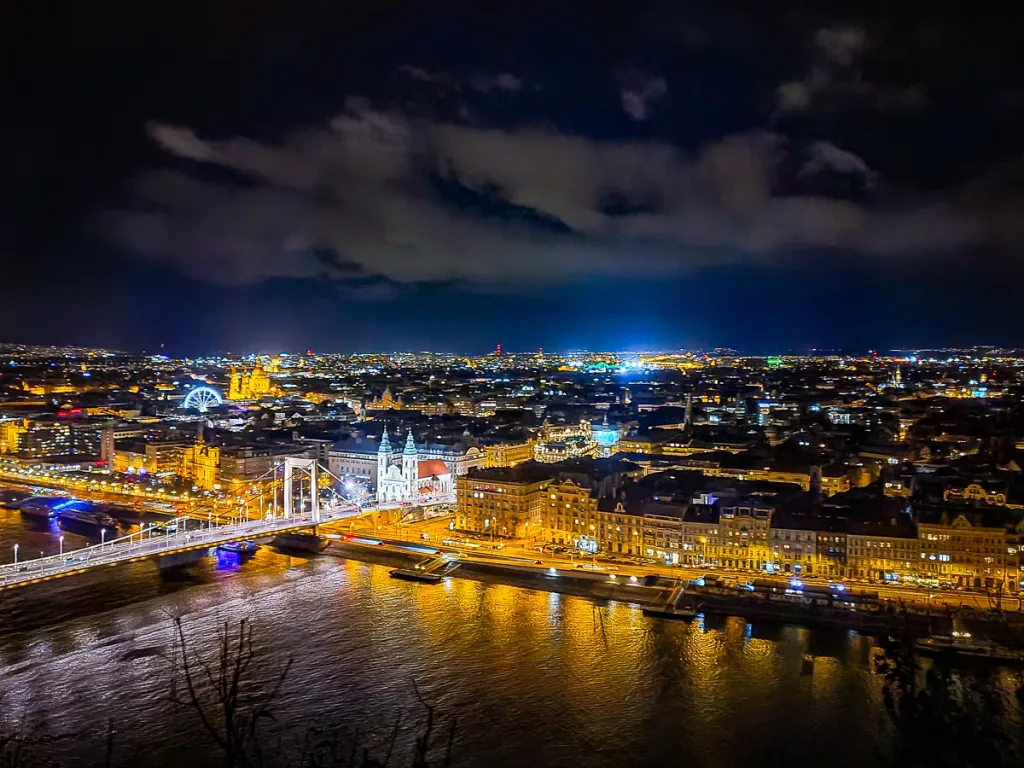
| City | Country | Closing Time | Avg. Club Entry | Cost Level | Best For |
|---|---|---|---|---|---|
| Berlin | Germany | None (24/7) | €15–€25 | Mid | Serious techno, multi-day raves |
| Bucharest | Romania | None (24/7) | €5–€20 | Low | Young adults, underground + mainstream mix |
| Belgrade | Serbia | None (24/7) | Free–€15 | Low | River clubs, local scene, late starts |
| Amsterdam | Netherlands | 24h (peripheral) | €15–€25 | Mid-High | Quality clubs, culture combo, harm reduction |
| Budapest | Hungary | Until 6 AM | Free–€5 | Low | Ruin bars, best value in Western reach |
| Ibiza | Spain | Until ~6 AM | €40–€80 | Very High | Commercial mega-clubs, global headliners |
| Tbilisi | Georgia | Until ~10 AM | €8–€27 | Very Low | Political underground, brutalist spaces |
| Lisbon | Portugal | Until 6–10 AM | €10–€30 | Mid | Warm-climate clubs, diverse scenes |
| Prague | Czechia | Varies by venue | €4–€14 | Very Low | Architecture-forward clubs, budget travel |
Matching the City to Your Nightlife Style
Berlin rewards the serious and the patient. If you’re going specifically for the music and are willing to spend time at the door and stay until afternoon, Berlin delivers an experience nothing else can match. Bucharest rewards people who want that same energy at lower cost and with less gatekeeping, though the scene is less internationally prominent. Belgrade rewards people who want a genuine local scene with a late-starting social structure and summer river culture built into the format. Amsterdam rewards people who want quality without the commitment to an all-night marathon. Budapest rewards those who want the same quality at a fraction of the cost, in a format that has no equivalent elsewhere. Ibiza rewards the social and hedonistic, people who want global headliners and production scale as the main draw. Tbilisi rewards dedicated underground fans who understand and respect the political context around the scene they’re entering. Lisbon rewards people who want a warm-climate Southern European city with strong clubs and a more relaxed daytime atmosphere. Prague rewards people who want maximum architectural interest and minimum budget expenditure, provided they navigate away from the tourist-heavy center. The best European nightlife is not in one city. It’s distributed across the continent in forms that suit different people and different trips. The starting point is knowing what you’re actually looking for before you book.“Nocturnal freedom is a highly fragile resource. Cities that treat club culture as a vital public asset protect it through institutional design. Cities that treat it as a nuisance gradually lose it to residential pressure and commercial gentrification.” European 24-Hour Cities Network, Urban Governance Research, 2024
Planning Tips for European Nightlife Trips
A few practical things that apply across all these destinations.- Use a card with no foreign transaction fees. Clubs and bars in most European cities accept cards, but having cash backup for taxi rides home from remote venues is consistently useful. The best travel debit cards for Europe make a real difference across a multi-city trip.
- Get the right apps before you go. Club entry lists, set times, local transit information, and location-sharing tools for finding your group in a crowded dark room all work better if you’ve set them up in advance. The essential festival and nightlife apps guide covers what actually works across club and festival situations.
- Know the local rules before you arrive. Lisbon’s 2026 street-drinking ban, Prague’s public alcohol zones, Romania’s 0.00% driving limit, and Tbilisi’s strict entry process are all things that catch uninformed visitors off guard. Checking current regulations for your specific destination before you travel is not optional.
- Footwear matters for long nights. Standing for six to ten hours on concrete club floors or cobblestone streets is a different physical demand from most travel. Comfortable broken-in footwear is worth thinking about before you pack. The best festival shoes guide covers options suited to long nights on your feet.
- Time your visit by season. Ibiza runs May to October. Belgrade’s Splavovi operate summer only. Berlin is a year-round destination. Bucharest and Budapest are best in the warmer months but functional year-round. Knowing the seasonal character of your destination avoids arriving out of season for the format you came for.
What is the best nightlife city in Europe?
Berlin is the global benchmark, and its position has been legally reinforced since March 2024 when the city’s techno scene was officially inscribed on Germany’s intangible cultural heritage list. No other city combines the same venue quality, musical culture, institutional protection, and timeline: clubs operate with no closing time, and events routinely run from Saturday night through Sunday afternoon. That said, “best” depends on what you’re optimizing for. Bucharest has zero licensing hours and far lower costs. Budapest has the most unique venue format in Europe in its ruin bars. Ibiza has the largest commercial production scale. The right answer is the city that matches your specific nightlife style.What is the best nightlife in Europe for young adults?
For young adults prioritizing cost, energy, and accessibility, Bucharest and Budapest consistently rank highest. Bucharest offers 24-hour venues, a pedestrianized Old Town with a permanent party atmosphere, and club entry starting at €5. Budapest’s ruin bars have free entry, €1.50–€4.50 wine, and a genuinely unique format that exists nowhere else in Europe. Belgrade is similarly affordable with the added draw of summer river clubs that run until sunrise. For young adults who want global headliner names and are willing to spend more, Ibiza delivers the scale, though at a significantly higher cost, especially in July and August.Which European city has the best clubbing scene?
For underground electronic music specifically, Berlin, Amsterdam, and Bucharest form the top tier in 2026. Berlin for institutional quality and musical depth, Amsterdam for sophisticated governance and hybrid cultural spaces with 24-hour licenses, and Bucharest for complete deregulation with a genuine alternative club infrastructure at low cost. For commercial clubbing with major production and global DJs, Ibiza is in a category of its own. Belgrade is underrated for pure club culture and offers one of the most genuine local scenes of any European city. Tbilisi is the most extreme option for serious techno fans who want a historically significant setting.What are the best party cities in Europe for a weekend trip?
Budapest works exceptionally well for a long weekend: cheap flights from most European hubs, concentrated nightlife zone in District VII, and a cost structure that makes four nights feel financially manageable. Prague offers similar value with more architectural variety in its venues. Amsterdam is the strongest option for a higher-budget weekend that combines nightlife with world-class daytime culture. Berlin rewards at least three nights because the scene starts late and runs long, making a single night feel rushed. Ibiza makes most sense as a week or five-night trip rather than a weekend given the travel cost and the rhythm of the season.Is Ibiza or Berlin better for nightlife?
They serve fundamentally different purposes and comparing them directly misses the point. Ibiza is optimized for maximum production scale, global commercial headliners, warm weather, beach days, and a social atmosphere built around meeting people. Berlin is optimized for musical depth, marathon duration, institutional quality, and a crowd that travels specifically for the underground scene. Ibiza is significantly more expensive and more accessible. Berlin has a higher knowledge and patience barrier but delivers an experience at the top end of club culture that nothing in Ibiza matches. The short answer: Ibiza if you want spectacle and sun, Berlin if you want the most serious club experience in the world.Sources
- YUN Journal. “The Fight for Berlin’s Nightlife — Clubcommission’s Emiko Gejic.” yun-berlin.com, 2024.
- Resident Advisor. “Berlin clubs welcome hard-fought cannabis legalisation in Germany.” ra.co, 2024.
- Bucharest.ro. “Complete guide to nightlife in Bucharest in 2026.” bucharest.ro, 2026.
- Ajdinis Travel. “Belgrade Serbia Nightlife and History Tours: Ultimate Guide 2026.” ajdinistravel.com, 2026.
- Lisboa Secreta. “Lisbon City Council approved the ban on alcoholic beverages for street consumption.” lisboasecreta.co, 2026.
- Gray Area. “City Beats: Techno in Tbilisi.” grayarea.co, 2025.

Julia King has spent the better part of a decade chasing music festivals, weekend getaways, and the kind of travel chaos that makes for a good story afterward — and turned that into a practical, no-nonsense approach to writing about it. She covers everything from Europe’s nightlife scene and underrated party destinations to the gear that makes festival weekends survivable, from power banks that don’t die by day two to earplugs that actually protect your hearing without killing the music; her focus is less on dream-destination lists and more on what will actually happen and how to plan around it. When she’s not researching a new city’s nightlife or testing travel gear, Julia is usually planning her next trip with a festival lineup as the excuse and a backup plan just in case.